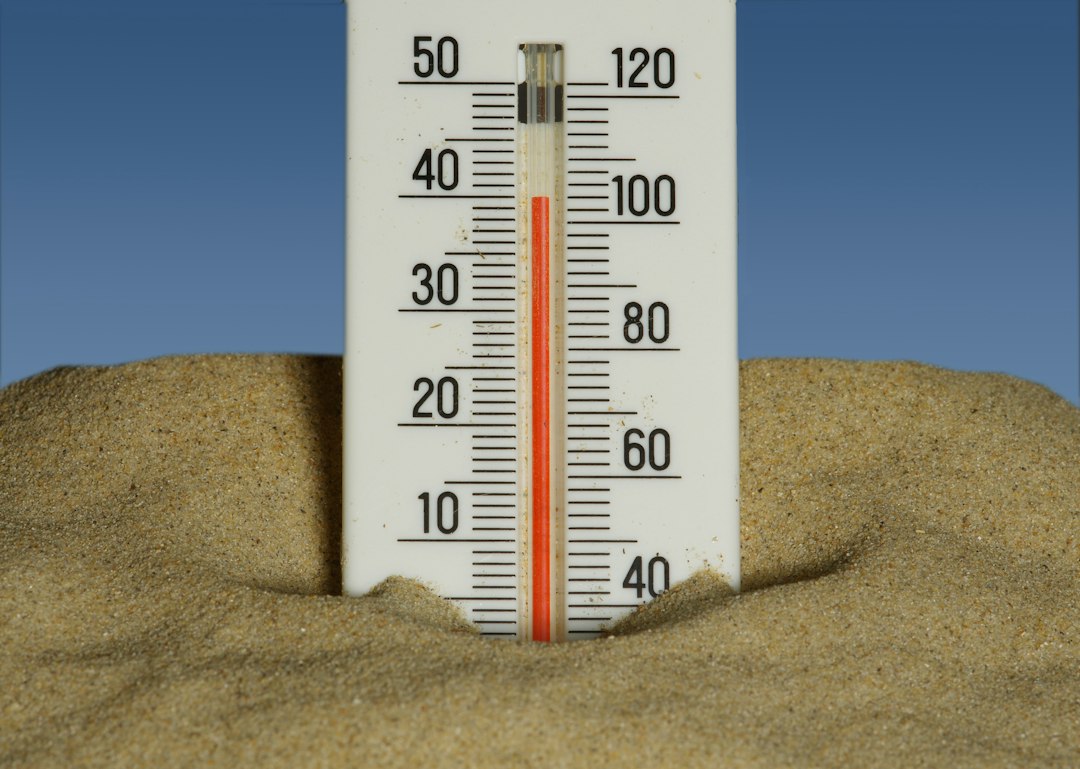
Why Temperature Sensitivity Happens When Feet Go Numb: The Nerve Explained
Numb feet that react sharply to heat or cold involve a paradox most people don't expect. The same nerve damage causing numbness also creates heightened temperature sensitivity because damaged nerves fire unpredictably. Understanding why are numb feet sensitive to temperature requires looking at how nerves process sensations—and what happens when that system breaks down. This article explains the science behind this confusing symptom and what you can do about it.
- Numb feet with temperature sensitivity occur when nerve fibers are damaged but still fire randomly.
- Damaged nerves misinterpret thermal signals, sending pain instead of normal temperature information to the brain.
- This happens because different nerve fiber types degrade at different rates during neuropathy.
- Age, blood sugar control, and nutrient deficiencies accelerate nerve damage.
- Lifestyle changes and targeted nutrients can slow progression and improve symptoms.
TL;DR: Numb feet feel hypersensitive to temperature because damaged nerves misfire. Small fibers that sense heat and cold degrade faster than large fibers, creating a window where you lose normal sensation but gain painful temperature reactions. Controlling blood sugar, protecting nerve fibers, and managing inflammation can help.
How Nerve Fiber Damage Creates Temperature Sensitivity in Numb Feet
The reason why numb feet become sensitive to temperature comes down to selective nerve damage. Not all nerve fibers die at once—they degrade in stages, and different fiber types fail at different speeds. Large diameter nerves (responsible for touch and pressure) often survive longer than small fibers (which detect temperature and pain).
When small temperature-sensing fibers are damaged but still partially active, they misinterpret thermal signals. A warm shower doesn't register as "pleasant warmth"—it triggers a pain signal instead. Cold water produces burning sensations rather than normal cold perception.
How Healthy Nerves Sense Temperature
Healthy peripheral nerves contain specialized receptor cells that respond specifically to hot and cold. These receptors send calm, organized signals up to your brain, which interprets them as normal temperature changes. The process happens so smoothly you barely notice it. When you touch a warm cup, receptors fire in a coordinated pattern that your brain recognizes instantly.
These specialized fibers are called thermoreceptors, and they operate within narrow temperature ranges. Some activate above 43°C (warm receptors), while others respond below 20°C (cold receptors). A 2022 study published in the Journal of Neurology found that these fibers are among the first to show dysfunction in peripheral neuropathy, even before large sensory nerves deteriorate.
What Happens When These Fibers Degrade
Once neuropathy starts, temperature-sensing fibers become inflamed and begin to break down. Damaged fibers lose their ability to communicate clearly, so they fire erratically instead of in organized patterns. Your brain receives confused signals: sometimes nothing, sometimes sharp pain, sometimes burning sensations.
This is why people with numb feet often describe temperature sensitivity as unpredictable. One day a hot bath feels manageable; the next day the same temperature causes intense discomfort. The underlying nerve fiber isn't healing—it's becoming progressively more dysfunctional.
Comparing Nerve Function at Different Ages: What Changes
Temperature sensitivity and peripheral neuropathy progress differently depending on your age and how long nerve damage has been developing. Understanding what to expect at different life stages helps you recognize early warning signs and take action sooner.
Nerve Changes in Your 40s and 50s
In your 40s, the first signs of neuropathy often appear silently. You might notice occasional tingling or mild coldness in your toes, but you brush it off. At this stage, blood vessels around nerves are still relatively healthy, so nerve fiber damage progresses slowly. Temperature sensitivity during this period is usually mild—perhaps you need thicker socks than you used to.
By your 50s, if risk factors like high blood sugar or poor circulation persist, symptoms accelerate noticeably. Small fiber damage becomes more widespread. Temperature sensitivity becomes sharper and more frequent. A 2023 study in the Diabetes Care journal found that people in their 50s with uncontrolled blood sugar experienced three times faster small fiber degradation compared to those with well-managed glucose levels.
Nerve Changes in Your 60s and Beyond
In your 60s and later, accumulated nerve damage becomes the dominant factor affecting temperature sensation. By this point, if neuropathy has been developing for 10+ years, both small and large nerve fibers show significant degeneration. Temperature sensitivity often peaks—paradoxically, some nerves stop firing altogether (true numbness), while others fire constantly (pain or burning).
At this stage, your body also produces less of the natural compounds that protect and repair nerves. Inflammatory markers increase in blood and nerve tissue. Circulation to extremities typically worsens due to age-related changes in blood vessel elasticity.
Side-by-Side Comparison
- Age 40-50: Mild tingling, occasional temperature sensitivity, symptoms often dismissed as minor
- Age 50-60: Increasing numbness paired with sharp temperature reactions, noticeable impact on daily activities
- Age 60+: Mixed symptoms—some areas numb, others hypersensitive; temperature extremes become difficult to tolerate
How Nerves React to Heat and Cold: Protection Strategies That Work
Since temperature sensitivity stems from nerve fiber dysfunction, slowing that deterioration is your best defense. Early prevention works far better than trying to reverse advanced damage. The key is addressing the underlying causes: blood sugar control, inflammation, and nutrient deficiencies.
Daily Habits That Protect Nerve Temperature Sensitivity
Start with blood sugar management—this is the single most important factor for people at risk of neuropathy. Stable blood glucose directly reduces inflammation inside nerves. Eat balanced meals with protein, healthy fats, and low-glycemic carbohydrates. Avoid sugary drinks and processed foods that spike glucose rapidly.
Regular gentle exercise also matters tremendously. Walking 20-30 minutes daily improves blood circulation to your feet and increases protective compounds your body produces naturally. Movement activates muscles, which consume glucose and reduce blood sugar spikes.
Protective daily habits include:
- Checking your feet daily for injuries (numb feet can hide wounds)
- Keeping feet at consistent, moderate temperatures (avoid extreme heat or cold)
- Staying hydrated—dehydration worsens nerve inflammation
- Getting 7-9 hours of sleep—repair processes happen during rest
- Managing stress through meditation or deep breathing
Accelerators to Avoid
Certain factors dramatically speed up nerve damage and temperature sensitivity. Smoking restricts blood flow and increases inflammation—smokers with neuropathy show symptom progression 2-3 times faster than non-smokers. Excessive alcohol damages nerve fibers directly and impairs nutrient absorption.
Also limit prolonged exposure to extreme temperatures. If you already have temperature sensitivity, very hot baths or extended time in cold environments forces damaged nerves to work harder, increasing pain signals. Alcohol also contributes to this progression and should be minimized.
Researched Nutrients and Supplements for Nerve Temperature Sensitivity
Science has identified specific nutrients that support nerve fiber health and reduce inflammation. These compounds work best when started early, before severe damage occurs. Many are found in whole foods, but supplement forms offer concentrated, consistent doses that dietary sources alone rarely provide.
Top Nutrients Studied for Neuropathy
Vitamin B12 is essential for nerve myelin (the protective coating around nerve fibers). People deficient in B12 show accelerated small fiber loss and increased temperature sensitivity. Alpha-lipoic acid (ALA), a powerful antioxidant, has been extensively studied for neuropathy. It reduces nerve inflammation and improves blood flow to extremities.
Benfotiamine (a fat-soluble form of vitamin B1) crosses nerve cell membranes easily and reduces the inflammatory proteins that damage fibers. Acetyl-L-carnitine supports nerve energy production—when nerves have enough fuel, they repair damage more effectively. These nutrients, along with supporting factors like omega-3 fatty acids and magnesium, form the foundation of most evidence-based neuropathy protocols.
Key researched nutrients include:
- Alpha-lipoic acid (300-600 mg daily)
- Benfotiamine (150-300 mg daily)
- Vitamin B12 (1000+ mcg weekly)
- Acetyl-L-carnitine (1000-2000 mg daily)
- Omega-3 fatty acids (1000-2000 mg daily)
What Research Shows About Each
According to a 2023 clinical review in Nutrients Journal, patients taking alpha-lipoic acid for 12+ weeks showed measurable improvement in small fiber function and reduced temperature-related pain. Benfotiamine demonstrated similar benefits in multiple studies, particularly for people with diabetes-related neuropathy.
B12 supplementation works especially well if you have documented deficiency—many people with neuropathy have low B12 due to absorption problems. Combination approaches work better than single nutrients, because neuropathy involves multiple damage pathways simultaneously. Many adults look to targeted formulas—one such option is Nerve Alive, which combines these key nutrients in evidence-based doses.
Lifestyle Changes for Managing Temperature Sensitivity Long-Term
Beyond nutrients and prevention, sustainable lifestyle modifications address the root causes of progressive nerve damage. Small changes applied consistently outperform dramatic short-term efforts because nerve repair is slow and requires steady support.
Building a Temperature-Protective Routine
Create a daily routine that minimizes temperature stress on nerves. Wear breathable, cushioned socks that keep feet at moderate, stable temperatures—not too hot, not too cold. Avoid sleeping with feet under heavy blankets that overheat them.
When bathing, use lukewarm water (around 37-38°C), not hot water, which can trigger pain in sensitive nerves. Limit exposure time to 10-15 minutes. After bathing, dry feet gently and apply a protective moisturizer; dry skin increases temperature sensitivity.
Sustainable Long-Term Practices
Consistency beats perfection when managing chronic nerve damage. Focus on practices you can maintain for years, not extreme measures you'll abandon in weeks. This means moderate exercise you enjoy, not punishing workouts.
It means gradually improving your diet toward nutrient density, not perfect restrictive eating. It means managing stress through activities that actually calm you (not things you "should" do). Working with a healthcare provider to monitor blood sugar, blood pressure, and circulation annually helps catch worsening symptoms early.
Frequently Asked Questions About Temperature Sensitivity in Numb Feet
What causes numb feet to hurt when touched by cold water?
Damaged temperature-sensing nerve fibers misinterpret cold signals as pain signals, causing a burning or sharp sensation instead of normal cold perception. These small fibers degrade faster than large sensory nerves during neuropathy, creating a window where numbness and temperature pain coexist. The nerve isn't healthy enough to ignore the stimulus, but it's too damaged to interpret it correctly. This happens because the protective myelin coating breaks down unevenly, leaving some fibers hyperactive.
Why does heat sometimes feel worse than numbness?
Heat triggers more intense nerve firing than cold because temperature-sensing fibers respond more vigorously to warm stimuli. Damaged nerves amplify these signals rather than dampening them, so even moderate warmth produces exaggerated pain. Additionally, heat increases inflammation and blood flow, which activates damaged nerves further. This is why many people with neuropathy find cold more tolerable than warmth, even though both cause discomfort. The response depends on individual nerve fiber composition and the severity of damage.
Can temperature sensitivity in numb feet be reversed?
Complete reversal of small fiber damage is unlikely once advanced, but progression can be halted or dramatically slowed. Early intervention—controlling blood sugar, reducing inflammation, and providing nerve-protective nutrients—stops deterioration in many cases. Some small fiber function can regenerate if conditions improve enough, particularly in people who address the underlying cause (like achieving better glucose control in diabetes). Advanced cases with severe myelin loss show less improvement, but symptoms can still become more manageable with consistent treatment and lifestyle changes.
How long does it take for temperature sensitivity to improve?
Nerve repair is slow—most people notice meaningful improvement within 8-12 weeks of consistent intervention, but full improvement takes 3-6 months or longer. Small nerve fibers regenerate very gradually, and myelin repair is an ongoing