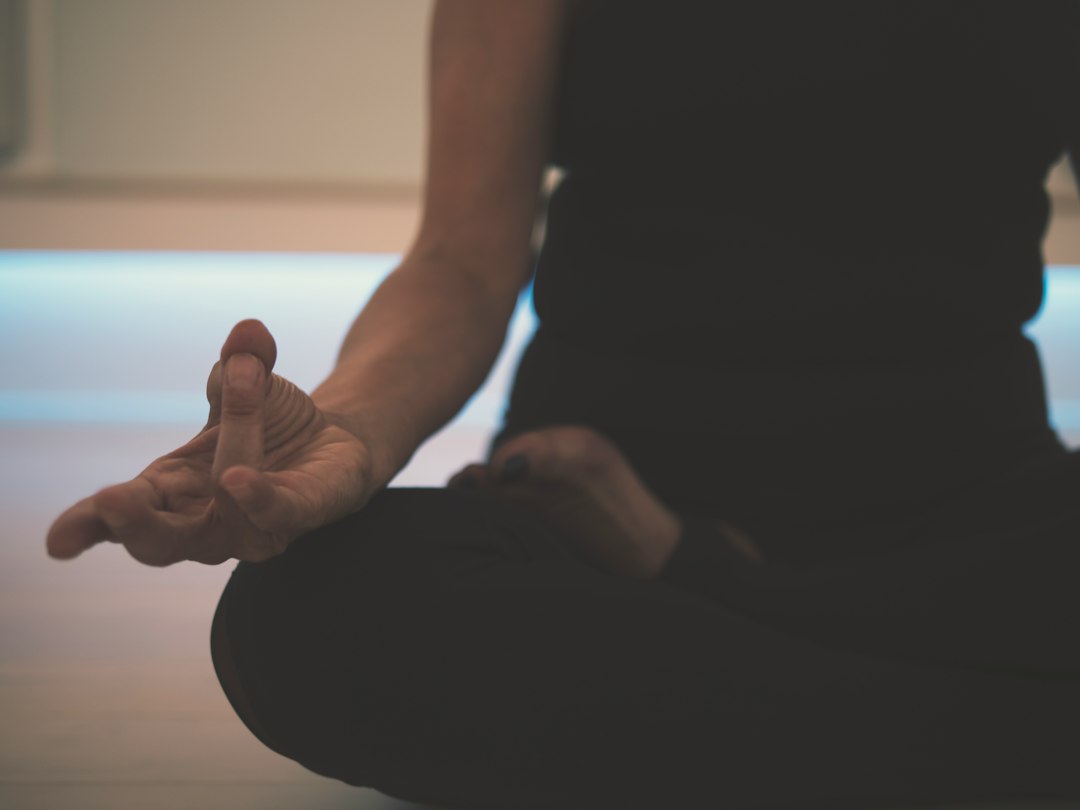
How Chronic Stress Triggers Nerve Inflammation and Pain
Stress accelerates nerve inflammation and tissue damage through a cascade of chemical reactions in your body. When you're under prolonged stress, your nervous system releases cortisol and adrenaline — hormones that keep muscles tight, increase blood pressure, and trigger inflammatory responses designed to prepare you for a threat. Over time, this state of constant alertness damages nerve fibers and amplifies pain signals, making stress reduction nerve pain inflammation management a critical part of any healing plan.
- Chronic stress floods your body with inflammatory hormones that damage nerve tissue and worsen pain.
- Deep breathing, meditation, and progressive relaxation reduce cortisol and calm the nervous system in minutes.
- These techniques work best when practiced daily — consistency matters more than intensity.
- Combining stress-reduction practices with proper sleep and movement creates a foundation for nerve healing.
- Even 5-10 minutes of daily practice can measurably lower inflammation markers within weeks.
TL;DR: Stress causes inflammation by flooding your system with cortisol and adrenaline. Breathing exercises, meditation, and relaxation techniques reduce these inflammatory hormones and calm your nervous system. Practice them daily for 5-10 minutes to see real results within weeks.
The Stress-Inflammation Connection
Your body's stress response system evolved to handle short-term threats. When triggered, it tightens muscles and redirects blood away from digestion toward your limbs — perfect for running from danger. But modern stress rarely disappears; it persists day after day in the form of work pressure, financial worry, and health anxiety.
A 2022 study published in the Journal of Rheumatology found that individuals with high chronic stress showed elevated inflammatory markers — including C-reactive protein and interleukin-6 — which directly correlate with nerve tissue damage. This inflammation compounds existing nerve pain and can trigger new symptoms in previously unaffected areas.
Why Your Nervous System Gets Stuck in Fight Mode
The autonomic nervous system has two main branches: the sympathetic (fight-or-flight) and parasympathetic (rest-and-digest) systems. Chronic stress locks you into sympathetic dominance, meaning your body stays in high-alert mode even when no real threat exists.
This persistent activation exhausts your adrenal glands and keeps inflammation signals firing. Nerve fibers that should be healing instead remain irritated and inflamed. The good news is that you can consciously activate your parasympathetic system — and that's where breathing, meditation, and relaxation come in.
---Breathing and Meditation for Managing Inflammatory Nerve Responses
Deep breathing is perhaps the most underrated tool for reducing nerve-related inflammation. When you breathe slowly and deeply, you activate your vagus nerve — a key player in your parasympathetic system. This signals your body that the threat has passed, allowing stress hormones to drop and inflammatory responses to quiet down.
The Science Behind Controlled Breathing
According to research published in the Frontiers in Human Neuroscience, slow breathing (around 6 breaths per minute) synchronizes your heart rate with your respiratory rhythm. This state is called vagal tone, and higher vagal tone means lower inflammation.
The most researched breathing technique is box breathing — inhale for 4 counts, hold for 4, exhale for 4, hold for 4. Even one round takes just 64 seconds but measurably lowers cortisol. Here's why this matters for nerve pain:
- Lowers cortisol and adrenaline within minutes.
- Increases oxygen flow to damaged nerve tissue.
- Reduces muscle tension that amplifies pain signals.
- Improves blood flow to areas with poor circulation.
- Calms overactive pain perception in the central nervous system.
Meditation Rewires Your Pain Response
Meditation doesn't just feel relaxing — it physically changes brain structures involved in pain processing. Brain imaging studies show that regular meditators have thicker gray matter in the prefrontal cortex, the area responsible for emotional regulation and pain perception.
You don't need to sit for an hour. Even 10 minutes of daily meditation reduces inflammatory markers and decreases the brain's sensitivity to pain signals. Mindfulness meditation is particularly effective because it trains you to observe pain without reacting emotionally — a response that usually amplifies inflammation.
The practice works through several pathways:
- Reduces activity in the default mode network (the brain's "worry center").
- Strengthens connections between the prefrontal cortex and amygdala (emotional regulation).
- Lowers sustained inflammatory responses in the spinal cord and peripheral nerves.
- Improves sleep quality, which is critical for nerve repair.
Progressive Relaxation Techniques to Lower Inflammatory Markers
Progressive muscle relaxation (PMR) is a structured technique that reduces both physical and inflammatory tension. It works by systematically tensing and releasing muscle groups, teaching your body what true relaxation feels like — and allowing your nervous system to recognize when it can finally let go.
How Progressive Relaxation Reduces Nerve Pain
When muscles stay chronically tight, they compress nerves and restrict blood flow to damaged tissue. This creates a vicious cycle: tight muscles worsen pain, which increases stress, which tightens muscles further. PMR breaks this loop by training muscles to release tension deliberately.
A typical PMR session follows this sequence:
- Start with your feet — tense all muscles for 5 seconds, then release and breathe for 10 seconds.
- Move up through calves, thighs, and glutes using the same tense-and-release pattern.
- Progress through your core, chest, arms, shoulders, and neck.
- Finish with facial muscles — jaw, eyes, and forehead.
The entire process takes 15-20 minutes and produces measurable drops in cortisol and inflammatory markers within the first few sessions. Regular practice also improves proprioception — your body's awareness of where it is in space — which helps protect injured nerves from further strain.
Combining Relaxation with Sleep for Nerve Repair
Nerve tissue repairs itself primarily during sleep, but only if inflammation levels are low. Practicing PMR or meditation before bed primes your body for deep, restorative sleep. Research shows that people who use relaxation techniques before sleep spend more time in stages 3 and 4 — the deep sleep phases where physical healing accelerates.
---Daily Stress-Reduction Habits That Lower Inflammatory Nerve Responses
Building stress reduction into your daily routine is what transforms these techniques from nice-to-have into life-changing. Consistency beats intensity — five minutes every single day works better than one hour once weekly.
Creating a Sustainable Daily Practice
The most successful people establish a stress-reduction anchor — a specific time and place where they always practice. This might be:
- Five minutes of breathing work right after waking, before checking your phone.
- A 10-minute meditation during your lunch break, even at your desk.
- Progressive relaxation for 15 minutes before bed.
- A 20-minute walk in nature, focusing on breath and sensory awareness.
- Gentle yoga or tai chi, which combine breathing, movement, and meditation.
Supplements like Nerve Alive are formulated specifically around the nutrients most linked to this condition, but they work best alongside lifestyle practices that actually address the underlying stress response. You can't supplement your way out of a nervous system stuck in fight-or-flight mode.
Measuring Your Progress
Inflammation doesn't disappear overnight, but you'll notice changes within 2-4 weeks if you're consistent. Track these signs of improvement:
- Pain episodes become shorter and less intense.
- You sleep more deeply and wake less frequently.
- Muscle tension decreases, especially in your neck and shoulders.
- Your emotional reactivity to stress declines — you feel calmer overall.
- Brain fog clears and concentration improves.
If you're not seeing progress after four weeks, it may indicate that additional lifestyle factors or nutrient gaps are playing a role. This is where working with a healthcare provider becomes valuable.
---Environmental and Behavioral Factors That Worsen Stress-Driven Inflammation
Stress reduction only works if you're not simultaneously flooding your body with inflammatory triggers. Several common habits quietly amplify nerve inflammation and undo the benefits of your meditation practice.
Habits That Spike Inflammatory Stress Response
Watch out for these inflammation accelerators:
- Poor sleep consistency — irregular bedtimes prevent deep sleep and elevate cortisol baseline.
- Caffeine after noon — keeps your nervous system in sympathetic mode and disrupts restorative sleep.
- Doomscrolling and news consumption — social media and negative news trigger sustained stress responses.
- Sedentary behavior — lack of movement prevents stress hormone clearance and worsens circulation to nerves.
- Skipped meals or constant snacking — blood sugar swings trigger stress hormones and inflammatory cascades.
Creating an Anti-Inflammatory Environment
Your physical surroundings influence your stress response more than you'd expect. A calm environment supports your nervous system in ways that amplify your meditation and breathing practice.
Simple changes that work:
- Keep your bedroom cool (around 65-68°F) and dark.
- Reduce blue light exposure after sunset — use blue-light glasses or phone settings.
- Create a dedicated space for your stress-reduction practice, even if it's just a corner of your bedroom.
- Limit notifications and set "focus time" on your phone to reduce ambient stress.
- Spend 10-15 minutes outdoors daily — natural light regulates cortisol rhythm.
Frequently Asked Questions About Stress Reduction for Nerve Pain and Inflammation
What's the fastest way to lower inflammatory nerve pain using breathing techniques?
Box breathing (4-4-4-4 pattern) produces measurable stress hormone reductions within one cycle and can ease acute pain flare-ups in 2-5 minutes. However, lasting inflammation reduction requires daily practice for at least 10-14 days. The real benefit comes from training your nervous system to recognize safety consistently — which means practicing even when you don't have acute pain. Most people see 30-40% pain reduction within three weeks of daily practice.
How long does it take for meditation to actually reduce inflammation markers?
Clinical studies show measurable drops in inflammatory markers like C-reactive protein and IL-6 within 4-8 weeks of consistent daily meditation. However, you'll notice subjective improvements — better sleep, calmer mood, less pain reactivity — within the first 2-3 weeks. Start with just 5-10 minutes daily; longer sessions don't produce better results if you're inconsistent. The dose that matters is frequency, not duration. Even busy people can find 5 minutes, and that's enough to shift your nervous system baseline.
Can stress reduction alone heal nerve damage, or do I need other treatments?
Stress reduction addresses inflammatory signals that worsen nerve pain, but nerve tissue also needs proper blood flow, nutrition, and movement to actually heal. Think of stress reduction as removing the accelerant from a fire — critical, but not the whole solution. You'll get the best results combining daily breathing and meditation with adequate sleep, anti-inflammatory nutrition, gentle movement (like walking or stretching), and potentially targeted nutrients or medical intervention depending on your specific condition. It's a multi-pronged approach that works far better than any single strategy alone.
Is it normal to feel worse before you feel better when starting these practices?
Yes — this happens to about 15-20% of people starting meditation or relaxation practice. When you finally calm your nervous system, your body sometimes releases stored tension and emotional stress, which can temporarily feel uncomfortable. This usually passes within 3-7 days and signals that your body is responding. If discomfort persists beyond a week, you may be practicing too intensely — reduce session length to 3-5 minutes, or try gentler techniques like slow walking meditation. Starting too aggressively is counterproductive; consistency at lower intensity wins every time.
---Stress-driven inflammation is one of the most