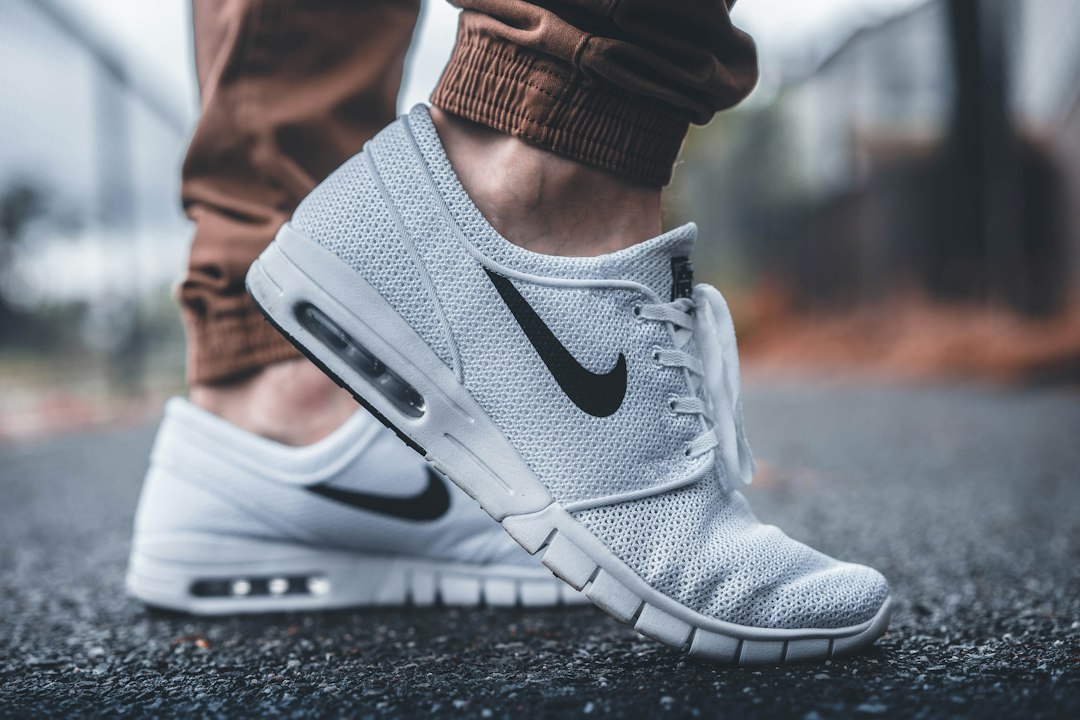
Why Most People Buy the Wrong Shoes for Neuropathy Nerve Pain Feet — and How to Choose Better
Proper footwear is one of the most underrated defenses against neuropathic pain progression. Many people assume that best shoes for neuropathy nerve pain feet simply means "comfortable shoes," but that misconception leads to ongoing nerve damage, increased numbness, and worsening symptoms over months and years.
The truth is sharper: shoes designed specifically for neuropathy protect nerves by reducing pressure points, stabilizing joints, and preventing the repetitive microtrauma that accelerates nerve degeneration.
When you walk in unsupportive or ill-fitting shoes, your feet compensate with abnormal gait patterns. This forces nerves to endure constant compression and friction, speeding up the very damage you're trying to prevent.
- Neuropathic footwear reduces pressure on damaged nerves and slows symptom progression
- Poor shoe fit accelerates nerve damage through repetitive microtrauma and abnormal gait patterns
- Key features include extra depth, cushioning, rocker soles, and seamless interiors
- Choosing the right shoes ranks equally with medications and supplements in preventing deterioration
- Walking aids like canes distribute weight safely when neuropathy affects balance or sensation
TL;DR: Shoes for neuropathy must have specialized cushioning, rocker soles, seamless interiors, and proper arch support to prevent nerve compression and slow symptom progression. Ill-fitting shoes accelerate damage; the right pair is a core treatment strategy, not just comfort.
The Real Root Cause of Neuropathic Foot Pain Most People Miss
Nerve damage doesn't happen overnight, and it rarely progresses at a constant rate. Environmental stress on the foot triggers cascading nerve deterioration — each painful step compounds the damage from the last one.
Most people blame genetics, diabetes, or age for their worsening symptoms. But the speed of progression is heavily influenced by daily mechanical forces that shoes either cushion or amplify.
Pressure Points and Nerve Compression
Your feet contain thousands of nerve endings packed into a small space. Tight or flat shoes create concentrated pressure zones that pinch nerves against bone, cartilage, and surrounding tissue.
When pressure persists for hours daily, it starves nerves of oxygen and triggers inflammation. This inflammation causes additional swelling, which increases pressure further — a vicious cycle that worsens numbness and tingling even when the underlying disease hasn't progressed.
A 2021 study published in Prosthetics and Orthotics International found that specialized neuropathic footwear reduced peak plantar pressure by up to 40% compared to standard shoes, directly correlating with reduced pain reports and slower symptom decline.
Abnormal Gait Patterns and Compensatory Damage
When shoes lack proper support, your feet roll inward or outward to find stability. This abnormal gait forces different nerves and muscles to work overtime, spreading damage across a wider area of the foot.
Worse, altered walking patterns change how weight distributes across your foot with each step. Nerves that should bear minimal load suddenly absorb repeated shock, accelerating degeneration far faster than if you wore supportive footwear.
Walking aids like canes or walkers become essential when neuropathy affects balance or reduces foot sensation. These tools distribute your weight more evenly and reduce the compensatory strain that damages additional nerves.
Why Neuropathic Footwear Features Matter: Protection Through Design
Not all "comfortable" shoes are created equal when it comes to preventing neuropathy progression. Specialized diabetic and neuropathic shoes include features that standard footwear simply doesn't.
Understanding these features helps you spot legitimate neuropathic shoes instead of settling for generic cushioning that won't slow nerve damage.
Essential Shoe Features for Nerve Protection
The best shoes for neuropathy incorporate multiple protective elements working together:
- Extra depth — accommodates swelling and reduces toe pressure without constricting blood flow
- Seamless interiors — eliminates friction points that irritate damaged nerves
- Rocker soles — reduces bending stress on the midfoot and prevents pressure on the ball of the foot
- Removable insoles — allows custom orthotics designed for your specific pressure zones
- Firm heel counter — stabilizes the ankle and prevents abnormal foot rolling
- Rigid forefoot — reduces strain on the nerves running through the arch
- Wide toe box — prevents compression of the sensitive nerves between toes
Standard athletic or casual shoes rarely include all these elements. They prioritize style or general cushioning but ignore the specific load-distribution needs of neuropathic feet.
Materials That Support Nerve Health
Breathable, stretchable uppers prevent moisture buildup and reduce friction that irritates nerve endings on sensitive skin.
Look for shoes made with seamless knit or soft leather uppers, not rigid synthetic materials. The material should flex with your foot without creating pressure ridges or hot spots.
Insole materials matter equally. Memory foam or gel-infused cushioning molds to your foot's unique pressure distribution, protecting the specific areas where your nerves are most compromised.
Walking Aids: When Shoes Alone Aren't Enough
As neuropathy progresses, walking aids become essential partners in nerve protection, not signs of weakness or defeat.
When foot sensation diminishes, you lose natural feedback that helps you adjust balance with each step. Canes, walkers, and trekking poles reduce the proprioceptive demand on your feet and distribute weight more evenly across your legs and core.
Choosing the Right Walking Aid
The correct walking aid depends on your balance, strength, and the severity of your neuropathy:
- Canes — best for mild balance loss or asymmetrical weakness; takes 25% of weight off one leg
- Walkers — provide maximum stability when numbness is severe or balance is significantly compromised
- Trekking poles — excellent for hiking or outdoor walking; engages upper body and reduces lower-body stress
- Rollators — combine support with a seat for rest breaks during longer activities
Your physical therapist can assess which aid suits your specific nerve damage pattern. Using the right tool prevents falls and eliminates the compensatory muscle tension that damages additional nerves.
Combining Shoes and Walking Aids for Maximum Protection
The most effective approach pairs specialized footwear with appropriate walking aids, creating a complete system that minimizes nerve stress.
For example, proper neuropathic shoes with a cane reduce peak foot pressure far more than either intervention alone. This combination also reduces the fear of falling, which often causes people to restrict movement in ways that weaken muscles and accelerate disability.
According to research in The Foot and Ankle Journal, patients using both orthopedic footwear and walking aids showed 35% slower symptom progression compared to those using shoes alone.
Daily Practices That Extend Your Shoes' Protective Benefits
Even the best shoes for neuropathy nerve pain feet lose effectiveness if you wear them incorrectly or skip daily foot care. How you use your shoes matters as much as which shoes you choose.
Proper shoe maintenance and wearing habits amplify their protective capacity and extend their lifespan.
Fitting and Wearing Practices
Have your feet measured professionally every year. Neuropathy can change your foot size and shape due to swelling, muscle atrophy, or structural changes from altered gait patterns.
Wear socks specifically designed for neuropathy — typically seamless, moisture-wicking, and made from soft synthetic blends. Avoid cotton socks, which trap moisture and create friction.
Break in new shoes gradually over 2-3 weeks, wearing them for short periods initially. Even specialized shoes need adjustment time, and rushing causes blisters and pressure points that damage nerves further.
Inspection and Rotation
Inspect your feet daily for blisters, redness, or cuts. Neuropathy reduces or eliminates pain sensation, so you won't feel damage developing. Check inside your shoes for seams, debris, or insole deterioration before wearing them.
Rotate between two pairs of neuropathic shoes when possible. This allows each pair to fully decompress, maintains the structural integrity of cushioning, and gives your feet varied support patterns that prevent adaptation wear.
Replace shoes every 300-500 miles of walking, or every 6-12 months depending on activity level. Compressed cushioning loses its nerve-protective capacity as material degrades.
Tracking Progress and Setting Realistic Expectations
Proper footwear slows neuropathy progression, but it won't reverse existing nerve damage. Realistic expectations help you stay committed to shoes and walking aids even when dramatic improvements don't occur.
How to Measure Meaningful Improvement
Track metrics that specialized footwear actually affects: pain level during daily activities, frequency of numbness episodes, walking distance before fatigue, and balance confidence. These improvements often appear within 4-8 weeks of consistent wear.
You're unlikely to regain sensation or eliminate neuropathy through shoes alone. But you may notice reduced tingling intensity, fewer shooting pains, improved sleep quality, and decreased daytime symptoms.
Document progress in a simple log: date, shoe type worn, pain scale (0-10), walking distance, and any new symptoms. Seeing patterns helps you identify which shoes work best for your specific nerve damage.
When to Adjust Your Approach
If symptoms worsen after 8 weeks in new shoes, return them immediately. Some people find that specific brands or styles trigger nerve irritation rather than prevent it.
Work with a podiatrist or orthotist if pain increases. They can assess whether your shoe fit is correct, suggest custom orthotics, or recommend different walking aids. Supplements like Nerve Alive are formulated specifically around the nutrients most linked to slowing neuropathy progression, and combining them with proper footwear creates a more comprehensive protection strategy.
Realistic timelines matter. Most people see measurable changes in 6-12 weeks. Significant symptom reduction or halted progression typically requires 3-6 months of consistent shoe use plus other interventions like physical therapy or dietary changes.
Frequently Asked Questions About Neuropathic Footwear and Nerve Protection
What is the difference between diabetic shoes and neuropathic shoes?
Diabetic shoes prioritize wound prevention and accommodate foot deformities, making them beneficial for anyone with reduced sensation. Neuropathic shoes add extra cushioning, rocker soles, and pressure-relief features specifically designed to reduce nerve irritation and slow damage progression. Many shoes are marketed as both, but true neuropathic shoes include deeper arch support and firmer forefoot rigidity to limit nerve-compressing movement. Both types protect against complications, but neuropathic footwear focuses more on active nerve protection rather than passive injury prevention.
Can over-the-counter insoles work as well as custom orthotics?
Over-the-counter insoles provide general arch support and cushioning but don't address your unique pressure distribution patterns. Custom orthotics map your specific foot shape and nerve damage zones, then create targeted support that generic insoles cannot replicate. Studies show custom orthotics reduce peak plantar pressure more effectively and provide longer-lasting benefits. However, quality over-the-counter insoles designed for neuropathy do offer significant improvement compared to no insole at all. Start with specialized retail insoles; upgrade to custom orthotics if symptoms don't improve within 8-12 weeks.
How do I know if a walking aid is actually helping or if I'm becoming dependent on it?
Walking aids reduce nerve stress and fall risk; they're tools that enable safer activity, not crutches that cause dependency. You're using one correctly if you walk farther, experience less pain, or feel more confident moving. The alternative — avoiding walking aids and limiting movement due to fear or pain — causes muscle weakness and faster disability progression. Talk with your physical therapist about when to use your aid (longer outings, uneven terrain) and when lighter activity without it is safe. Most people benefit from using aids situationally rather than all the time.
What's the best way to transition from standard shoes to neuropathic footwear?
Swap gradually over 2-3 weeks rather than all at once. Wear new neuropathic shoes for 1-2 hours daily during the first week, then increase duration as comfort impro