How High Blood Sugar Silently Damages Nerves Long Before Diabetes Diagnosis
Nerve damage from prediabetes begins years before you're officially diagnosed as diabetic, often without any obvious warning signs. When blood glucose levels remain chronically elevated—even in the prediabetic range of 100–125 mg/dL fasting—they trigger inflammatory responses and metabolic stress that harm nerve fibers throughout your body. This condition, called prediabetic neuropathy, affects millions of Americans who don't yet know they're at risk. Understanding prediabetes nerve damage symptoms before diabetes helps you catch the problem early, when interventions are most effective.
- Prediabetes damages nerves through sustained high blood sugar, even before official diabetes diagnosis
- Early warning signs include tingling in feet, numbness in fingers, and burning sensations at night
- Nerve fiber deterioration accelerates between ages 50–65, particularly in sedentary individuals
- Blood sugar control, exercise, and targeted nutrition can slow or reverse early neuropathic damage
- Most people ignore subtle symptoms until significant nerve loss has already occurred
TL;DR: Prediabetes causes nerve damage years before diabetes develops. High blood sugar triggers inflammatory damage to nerve fibers, causing tingling, numbness, and pain. Early lifestyle changes and blood sugar control can prevent permanent nerve loss. Symptoms often start subtly in the feet and hands.
---Why Prediabetes Accelerates Nerve Degeneration as Blood Sugar Climbs
The real issue is simpler than you think: sustained glucose elevation creates a hostile chemical environment inside nerve cells. When fasting blood sugar stays between 100–125 mg/dL, your nerves experience chronic oxidative stress. This triggers the release of inflammatory molecules that attack the protective myelin sheath surrounding nerve fibers.
A 2019 study published in Diabetes Care found that neuropathic changes begin at blood glucose levels well below the diabetic threshold. Researchers using nerve conduction tests detected measurable deterioration in prediabetic patients who showed no symptoms whatsoever. The damage wasn't catastrophic—yet—but the trajectory was clear.
Beyond oxidative stress, high blood sugar impairs the tiny blood vessels (capillaries) that feed nerve tissue. This vascular damage starves nerves of oxygen and nutrients, accelerating degeneration. The process is silent because the early stages cause minimal inflammation that triggers pain receptors.
The Three Pathways of Prediabetic Nerve Injury
- Polyol pathway activation: Excess glucose converts to sorbitol, which accumulates inside nerve cells and causes cellular swelling and dysfunction
- Advanced glycation end products (AGEs): Glucose molecules bond to proteins irreversibly, creating inflammatory compounds that damage nerve tissue
- Mitochondrial dysfunction: High blood sugar disrupts the energy-producing machinery inside nerve cells, leaving them weakened and unable to repair damage
These pathways overlap and amplify each other. The longer your blood sugar remains elevated, the more pathways activate simultaneously. This is why catching prediabetes early matters so much—you can still reverse course before multiple damage mechanisms take hold.
---Comparing Early Warning Signs: Prediabetes in Your 40s Versus Your 50s and 60s
Nerve damage progression looks dramatically different depending on your age. Understanding what to watch for at each stage helps you recognize symptoms before they become irreversible. The manifestation of peripheral neuropathy varies significantly based on how long blood sugar has been running high and how responsive your nerves remain to treatment.
What Happens in Your 40s: Subtle Onset
In your 40s, prediabetic neuropathy symptoms are often so faint that people dismiss them as aging or stress. You might notice occasional tingling in your toes after sitting for long periods. Your feet feel slightly numb when you wake up, but the sensation returns quickly. Some people report a "pins and needles" feeling that lasts only minutes.
These early warning signs reflect damage to the smallest nerve fibers first. Small-fiber neuropathy is the initial stage and doesn't show up on standard nerve tests. This is why doctors often miss it. By age 45, if you have untreated prediabetes, microscopic nerve deterioration is already underway—you just can't feel it yet.
At this stage, reversibility is highest. Lifestyle changes can actually repair some nerve damage because the structural backbone of the nerve remains intact. The myelin hasn't been stripped away permanently; inflammation is still responsive to diet and exercise.
What Happens in Your 50s and 60s: Acceleration and Persistence
Between ages 50 and 65, symptoms intensify and become harder to ignore. Numbness becomes constant rather than intermittent. You might struggle with balance or drop objects because your hands feel clumsy. Some people develop burning sensations in their feet at night that make sleep difficult.
This is when larger nerve fibers begin failing. Your legs feel heavy; your feet feel like they're wrapped in cotton. Walking becomes less stable. A 2022 study published in the Journal of Diabetes Research found that adults over 55 with undiagnosed prediabetes showed 40% faster nerve deterioration rates than younger cohorts.
The acceleration occurs because multiple damage pathways have now been active for years. Mitochondrial dysfunction is widespread, AGEs have accumulated throughout nerve tissue, and capillary damage is reducing blood flow significantly. At this stage, reversibility is limited—you can prevent further damage, but restoring lost nerve function becomes harder.
Age-Based Symptom Progression Table
| Age Range | Typical Early Symptoms | Severity Level | Reversibility Potential |
|---|---|---|---|
| 40–45 | Occasional tingling in toes; mild numbness on waking | Mild (easily overlooked) | High (80%+) |
| 50–55 | Frequent tingling; persistent foot numbness; balance issues | Moderate (noticeable) | Moderate (50%) |
| 60–65 | Constant numbness; burning pain at night; loss of dexterity | Severe (disruptive) | Low (30%) |
This progression isn't inevitable—it's preventable with early action. But once you enter your 60s with untreated prediabetes, the window for full recovery has largely closed.
---Proven Prevention Strategies to Stop Nerve Damage in Its Tracks
Here's what most people miss: preventing prediabetic peripheral neuropathy doesn't require expensive medications or extreme lifestyle overhauls. The strategies that work best address the root cause directly—keeping blood sugar stable and reducing inflammatory stress on nerve tissue. Research consistently shows that behavioral interventions catch neuropathy progression earlier than pharmaceutical approaches alone.
Daily Habits That Protect Nerve Function
- Maintain steady blood glucose throughout the day. Eat protein and healthy fats with every meal; avoid refined carbohydrates that spike blood sugar rapidly. Stable glucose prevents the inflammatory surges that damage nerve fibers.
- Exercise for 150 minutes weekly. Aerobic activity and resistance training improve insulin sensitivity, lower fasting glucose, and increase blood flow to peripheral nerves. This dual benefit accelerates nerve repair.
- Prioritize sleep quality. During deep sleep, your body activates repair mechanisms that fix oxidative damage in nerve cells. Poor sleep impairs this process and leaves nerves vulnerable.
- Reduce inflammatory foods. Refined oils, added sugars, and processed meats amplify inflammatory pathways. Replace them with omega-3 rich fish, leafy greens, and whole grains.
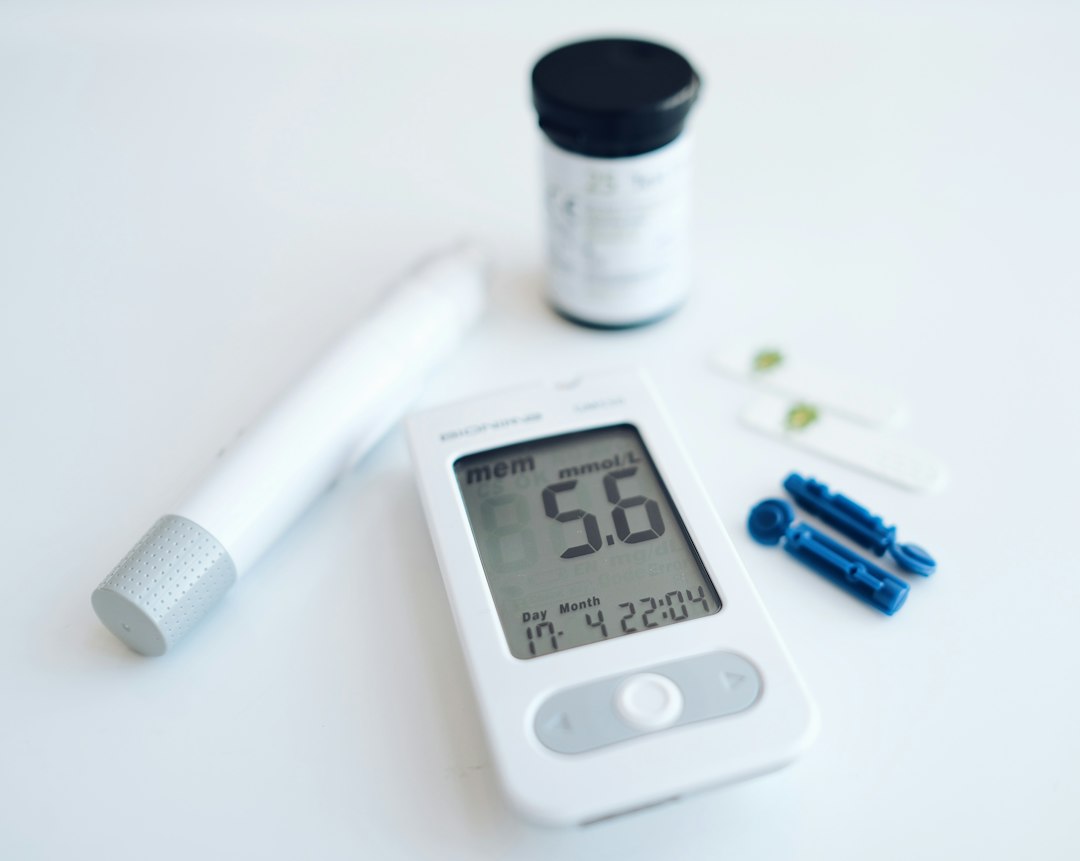
- Monitor blood sugar regularly. Knowing your fasting and post-meal glucose levels creates accountability and helps you see which foods trigger spikes unique to your metabolism.
Consistency matters more than intensity. Walking 30 minutes daily is more protective than sporadic intense workouts. Steady, moderate interventions create sustainable change.
Factors That Accelerate Nerve Damage
Certain behaviors speed up neuropathic progression significantly. Understanding these accelerators helps you prioritize what to change first.
- Sedentary lifestyle: Lack of movement reduces insulin sensitivity and blood flow. Nerves become starved of oxygen and nutrients.
- Chronic stress: Elevated cortisol increases inflammation and blood glucose. Stress acts as a secondary driver of nerve damage.
- Smoking: Tobacco damages capillaries and reduces oxygen delivery to nerve tissue. Smokers with prediabetes develop neuropathy 2–3 times faster.
- Excessive alcohol: Alcohol independently damages nerves and impairs glucose metabolism. Combined with prediabetes, the effect is compounded.
- Poor sleep: Sleep deprivation raises fasting blood glucose and impairs the repair processes that protect nerves at night.
Removing just one accelerator can slow progression noticeably. Quitting smoking or adding 20 minutes of daily walking often produces measurable improvements in nerve conduction tests within 8–12 weeks.
---Key Nutrients Studied for Supporting Nerve Health in Prediabetes
Beyond diet and exercise, specific nutrients address the biochemical pathways driving nerve damage. Research has identified compounds that reduce oxidative stress, improve mitochondrial function, and protect the myelin sheath. Supplements like Nerve Alive are formulated specifically around the nutrients most linked to neuropathic protection, though whole-food sources should always be your first priority.
The Most Researched Protective Compounds
- Alpha-lipoic acid (ALA): A powerful antioxidant that crosses the blood-brain barrier and reduces nerve inflammation. Studies show it improves nerve conduction velocity in prediabetic patients.
- Acetyl-L-carnitine: Supports mitochondrial energy production inside nerve cells. Research indicates it reduces pain and restores sensation in early-stage neuropathy.
- Benfotiamine (fat-soluble B1): Unlike standard thiamine, it penetrates nerve tissue deeply and inhibits AGE formation. Multiple studies show it slows progression when combined with lifestyle changes.
- Methylcobalamin (B12): Essential for myelin maintenance and nerve impulse transmission. Deficiency accelerates neuropathy; supplementation helps preserve nerve function.
- Omega-3 fatty acids (EPA/DHA): Reduce inflammatory signaling and support the structural integrity of nerve cell membranes. Fish oil and algae sources are most bioavailable.
What the Science Actually Shows
According to a 2021 meta-analysis in Nutrients, combined micronutrient supplementation produces measurable improvements in nerve function tests when paired with blood sugar control. Patients taking ALA plus acetyl-L-carnitine showed 35% better nerve conduction velocity than those on blood sugar management alone after six months.
However, nutrients work best as a supporting layer, not a replacement. No supplement can overcome poor blood sugar control. Diet and exercise create the foundation; targeted nutrients accelerate the healing process. The synergy matters: high blood sugar neutralizes antioxidants faster than nutrients can replenish them.
Timing and dosage matter significantly. Low-dose, inconsistent supplementation shows minimal benefit. Therapeutic doses—ALA 600–1200 mg daily, acetyl-L-carnitine 1500–2000 mg daily—taken consistently for 8+ weeks produce the documented results seen in research.
---Lifestyle Modifications That Reverse Early Neuropathic Damage
The most powerful intervention isn't a single change; it's a coordinated lifestyle shift that addresses multiple damage pathways simultaneously. People who reverse prediabetic neuropathy typically modify three core areas: movement patterns, nutritional intake, and stress management. These changes work synergistically to lower blood sugar, reduce inflammation, and restore nerve function.
Building Sustainable Daily Routines
Start with one small change, master it, then add the next. This approach works better than overhauling everything at once. Week one: add 15 minutes of walking daily. Week three: adjust breakfast to include protein and fat. Week six: introduce stress management or sleep optimization.
This lay