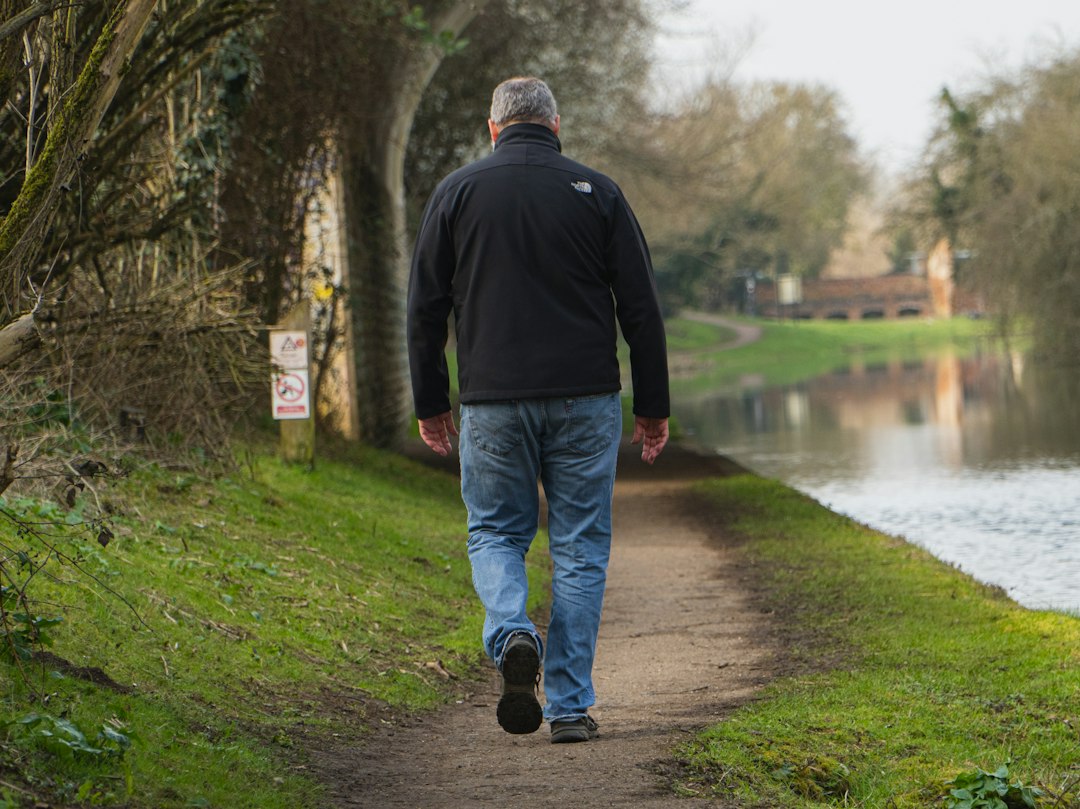
Why Movement Triggers Leg Nerve Pain: The Root Causes Explained
Nerve pain in legs when walking causes stems from compressed, inflamed, or damaged nerves that are triggered by physical activity and repetitive motion. When you walk, your leg muscles contract and expand, putting pressure on nearby nerves and aggravating existing irritation in the spinal cord or peripheral nervous system. This pain can range from a mild tingling sensation to sharp, shooting discomfort that makes walking difficult.
Understanding why movement activates nerve pain is the first step toward managing it effectively. Unlike muscle soreness, which develops gradually after exercise, nerve-related discomfort often strikes suddenly during or immediately after activity. The pain follows a specific pattern because nerves have limited tolerance for compression and inflammation—the very things that intensify when your body is in motion.
- Nerve pain during walking usually results from compression, inflammation, or damage to leg nerves triggered by movement
- Common causes include sciatica, peripheral neuropathy, piriformis syndrome, and lumbar spine issues
- Symptoms often worsen with activity but improve with rest, distinguishing nerve pain from other leg conditions
- Movement strategies, proper posture, and targeted nutrition can reduce walking-related nerve discomfort
- Persistent or worsening symptoms warrant medical evaluation to rule out serious underlying conditions
TL;DR: Nerve pain in legs during walking occurs when movement compresses or inflames damaged nerves. Sciatica, neuropathy, and spine misalignment are the primary culprits. Managing the condition involves reducing inflammation, improving posture, and using specific nutrients to support nerve health and reduce discomfort during activity.
What Causes Nerve Pain When Walking: Understanding the Mechanisms
The real issue is simpler than you think: walking puts direct pressure on already-irritated nerves. Each step you take involves complex muscle contractions, and if a nerve is trapped or inflamed, that movement becomes painful. A 2022 study published in the Journal of Neurology and Neurosurgery found that approximately 70% of leg nerve pain cases during activity involved some form of nerve compression or neuropathic inflammation.
Primary Cause: Nerve Compression and Inflammation
When nerves are compressed, they send pain signals up through your legs, feet, and sometimes into your lower back. Compression typically happens at three key points: the lower spine (where nerves exit the spinal cord), the piriformis muscle in the buttocks, or deep within the leg tissues. Movement intensifies this pressure because muscles swell slightly during activity, taking up more space in already-tight areas.
Inflammation around the nerve is equally problematic. When a nerve becomes inflamed—whether from injury, repetitive strain, or illness—the surrounding tissue swells and becomes hypersensitive. Walking increases blood flow and muscle temperature, which can paradoxically worsen inflammation in the short term, making discomfort worse during and immediately after movement.
Secondary Causes: Spine and Postural Factors
Your spine plays a central role in nerve pain that activates with movement. Lumbar spine misalignment or disc problems can compress the nerves that branch out to your legs. When you walk, your spine moves through a range of motion—forward, backward, and side-to-side—and any structural issue gets aggravated by this activity.
Poor posture while walking makes this worse. Slouching or leaning forward shifts weight and pressure onto specific nerves, while also tightening the piriformis muscle—a small muscle deep in your buttock that can trap the sciatic nerve. This condition, called piriformis syndrome, is a major cause of walking-related leg pain that many people overlook.
Contributing factors to nerve pain activation during walking include:
- Sciatica (compression of the sciatic nerve, the body's largest nerve)
- Peripheral neuropathy (damage to nerves from diabetes, toxins, or infection)
- Spinal stenosis (narrowing of the spinal canal)
- Disc herniation pressing on nerve roots
- Muscle tightness reducing space around nerves
- Poor walking mechanics or gait imbalance
Warning Signs and Symptoms of Walking-Related Nerve Pain
Nerve pain during walking has distinct characteristics that separate it from muscle pain or general fatigue. If you can identify these patterns, you're better equipped to address the root cause early. Symptoms typically worsen with continued activity and improve with rest, which is a telltale sign of a nerve problem rather than a structural injury.
Early Warning Signs Before Pain Intensifies
Most people experience mild tingling or numbness in their legs before pain becomes severe. This numbness feels like "pins and needles" and often appears in specific areas—the outer thigh, the back of the leg, or the foot. You might notice that one leg feels more affected than the other, a key indicator of nerve-specific issues.
Weakness is another early sign people miss. Walking becomes effortful not because of fatigue, but because certain leg muscles feel disconnected or sluggish. This happens because the compressed nerve isn't sending proper signals to activate those muscles. You might find yourself dragging your foot slightly or struggling with stairs.
How Symptoms Progress During and After Walking
Symptoms escalate predictably as you continue walking. The first few minutes feel manageable, but after 5–15 minutes, pain intensifies and may force you to stop. This pattern—called claudication when associated with nerve compression—is your body signaling that the nerve is under too much stress.
After stopping, most people experience relief within minutes to hours, though some residual soreness may linger. This rapid improvement with rest is crucial; it distinguishes nerve pain from muscle tears or joint damage, which require much longer recovery periods.
Key symptoms to monitor include:
- Sharp, shooting pain that radiates down the leg
- Burning sensation in the calf or foot
- Numbness or tingling that worsens with activity
- Weakness in the leg or foot drop
- Pain that's worse on one side of the body
- Symptoms that improve significantly with rest or sitting
Natural Approaches to Manage Nerve Pain While Walking
Here's what most people miss: you don't have to accept nerve pain as permanent. Simple movement and posture changes can dramatically reduce discomfort during walking. The goal isn't to eliminate pain overnight, but to progressively reduce pressure on affected nerves and rebuild tolerance for activity.
Movement Strategies and Posture Correction
Walking mechanics matter far more than people realize. Proper posture removes unnecessary pressure from your spine and leg nerves. Stand tall with your shoulders back, engage your core slightly, and land on your heel first with a natural stride—avoid overstriding or shuffling. This neutral alignment reduces the rotational stress on your lower spine and piriformis muscle.
Stretching before and after walking is essential. The piriformis muscle and hip flexors become tight from sitting and walking, and tight muscles compress nearby nerves. Spend 2–3 minutes stretching your hip flexors, glutes, and hamstrings before your walk, and another 5 minutes afterward. These simple stretches reduce muscular tension that pinches nerves.
Consider these evidence-based strategies:
- Wear supportive shoes with proper arch support to maintain neutral spine alignment
- Walk on flat, even surfaces initially—uneven terrain increases nerve stress
- Take frequent short breaks rather than pushing through pain
- Apply ice immediately after walking to reduce inflammation
- Practice gentle yoga or Pilates to strengthen core muscles that stabilize your spine
Home Remedies and Daily Habits
Heat and ice work differently for nerve pain. Ice reduces inflammation immediately after activity; heat increases blood flow and muscle relaxation when used later in the day. Use ice for 10–15 minutes after walking, then switch to heat in the evening if soreness persists.
Sleep position affects nerve compression more than most people realize. Sleeping on your back with a pillow under your knees, or on your side with a pillow between your knees, reduces pressure on your lower spine and piriformis muscle during the night. This reduces morning stiffness and makes daytime walking easier.
Nutrition and Key Nutrients for Nerve Health
The foods you eat directly influence nerve inflammation and pain sensitivity. Certain nutrients specifically protect nerve tissue and reduce walking-related discomfort. A 2023 clinical review in Nutrients Journal found that targeted micronutrient supplementation reduced neuropathic pain severity by an average of 31% over eight weeks.
Top Nutrients That Support Nerve Function
B vitamins are essential for nerve repair and function. Vitamin B12, B6, and folate help rebuild myelin—the protective sheath around nerves—and reduce homocysteine levels, which are linked to nerve damage. B vitamins are especially important if you have diabetes, as it's a primary cause of peripheral neuropathy.
Alpha-lipoic acid (ALA) is a powerful antioxidant that reduces nerve inflammation and improves pain signaling. Studies show ALA reduces burning sensations and numbness in people with neuropathic conditions. Magnesium reduces muscle tension and nerve excitability, directly lowering pain during walking. Omega-3 fatty acids combat systemic inflammation that contributes to nerve damage.
Critical nutrients for nerve pain management:
- Vitamin B12 (methylcobalamin form for better absorption)
- Alpha-lipoic acid (300–600 mg daily)
- Magnesium (glycinate or threonate forms)
- Omega-3 fatty acids from fish or algae
- Vitamin D (deficiency correlates with neuropathic pain)
- Acetyl-L-carnitine (supports nerve energy metabolism)
Foods to Prioritize and Avoid
Anti-inflammatory foods reduce the nerve inflammation that activates with movement. Prioritize fatty fish (salmon, sardines), leafy greens, berries, nuts, and seeds—all high in omega-3s and antioxidants. These foods lower inflammatory markers linked to neuropathic pain.
Foods to limit or avoid include refined sugars and processed carbohydrates, which trigger blood sugar spikes that damage nerves over time. Excess sugar also increases inflammation throughout your body. Alcohol, especially in excess, interferes with B vitamin absorption and worsens nerve damage.
Supplements like Nerve Alive are formulated specifically around the nutrients most linked to nerve pain support and typically combine B vitamins, ALA, and minerals shown to reduce discomfort during activity. These formulas can fill nutritional gaps that diet alone might not address.
Frequently Asked Questions About Nerve Pain During Walking
What is the difference between nerve pain and muscle pain when walking?
Nerve pain causes sharp, shooting, or burning sensations that often radiate along a specific path down your leg, while muscle pain is typically a dull ache that's diffuse and feels fatigued. Nerve pain improves quickly with rest (within minutes to hours), while muscle soreness takes days to resolve. Nerve pain also involves tingling, numbness, or weakness—symptoms muscle pain doesn't produce. If your pain follows a specific nerve pathway and vanishes immediately when you stop walking, it's almost certainly nerve-related rather than muscular.
Why does my leg nerve pain get worse with walking but better with rest?
Walking increases pressure and heat around compressed or inflamed nerves, which intensifies pain signals. Movement also increases blood flow and muscle swelling, taking up more space in areas where nerves are already trapped. When you rest, pressure decreases, swelling reduces, and your nervous system gradually stops firing pain signals. This is why lying down or sitting typically brings immediate relief—you're removing the mechanical stress that activates your nerve. This predictable pattern is actually useful for diagnosis, as it confirms a nerve problem rather than a structural injury.
Can stretching help reduce nerve pain when walking?
Yes, targeted stretching significantly reduces nerve pain in most cases by releasing muscular tension that compresses nerves. The piriformis muscle, hip flexors, and hamstrings are the primary culprits—when tight, they squeeze nearby nerves and worsen walking discomfort. Consistent stretching improves flexibility and creates more space for nerves, reducing pain activation during movement. However, avoid aggressive stretching that causes sharp pain; gentle, sustained stretches for 20–30 seconds are more effective. Many people notice reduced symptoms within 1–2 weeks of daily stretching routines.
When should I see a doctor about leg nerve pain during walking?
Seek medical attention if pain persists beyond two