How Lyme Disease Can Cause Long-Term Nerve Damage and Neuropathy
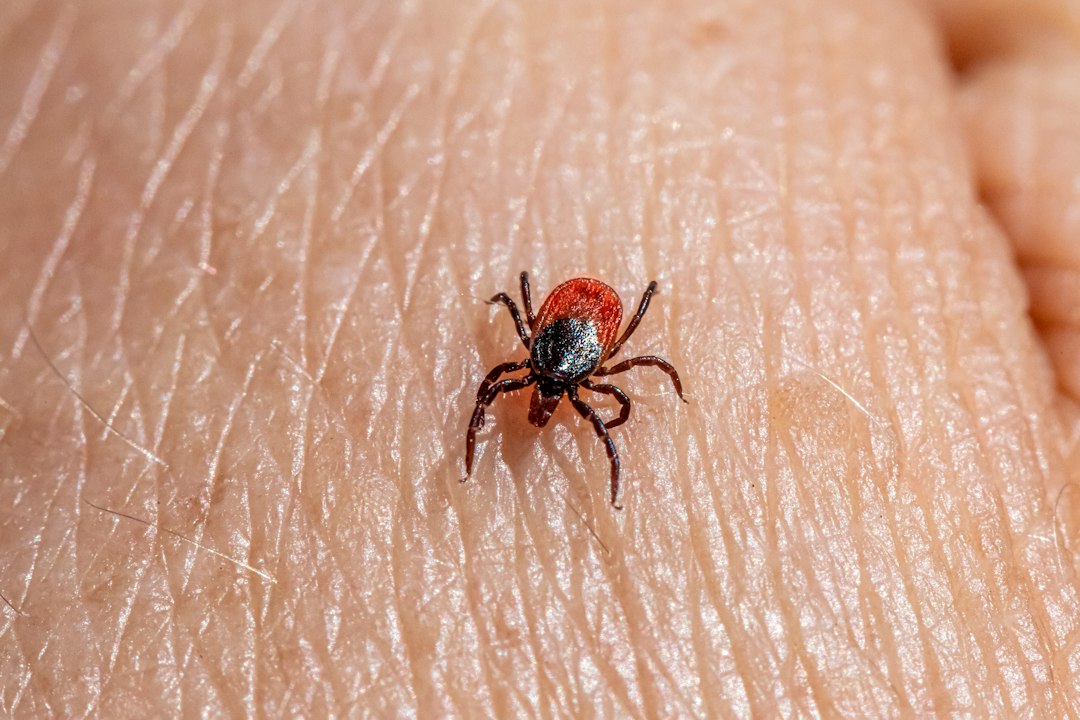
Lyme disease nerve damage neuropathy develops when the bacteria Borrelia burgdorferi — transmitted through tick bites — invades peripheral nerves and triggers inflammation that persists long after the initial infection clears. Most people know Lyme disease causes a bull's-eye rash and joint pain, but fewer understand that untreated or inadequately treated infections can lead to chronic neurological complications. Post-Lyme neuropathy affects thousands of people years after their initial tick bite, sometimes without them realizing the connection.
- Lyme disease bacteria can directly infect nerve tissue, causing inflammation that persists for months or years
- Post-Lyme neuropathy may develop weeks, months, or even years after the initial infection
- Symptoms include burning pain, numbness, tingling, and weakness in the extremities
- Early detection and antibiotic treatment reduce the risk of chronic nerve complications
- Long-term management combines medical care with lifestyle modifications and targeted nutritional support
TL;DR: Lyme disease can cause lasting nerve damage through bacterial infection and inflammatory response. Symptoms may appear months after the tick bite. Early treatment helps prevent chronic neuropathy, but post-infection nerve damage requires long-term management including medical monitoring and supportive therapies.
---The Science Behind Lyme Disease: What Neurological Research Reveals
Understanding how Borrelia burgdorferi bacteria attack nerve tissue requires looking at the infection pathway itself. When an infected tick bites the skin, the bacteria enter the bloodstream and spread throughout the body. Unlike most bacterial infections that trigger an acute response and resolve, this particular pathogen has evolved to evade the immune system and establish chronic infection in various tissues — including peripheral nerves.
How the Bacteria Invades Nerve Cells
The Lyme bacteria can directly invade nerve cells and spiral structures called spirochetes allow them to navigate through tissue efficiently. This direct cellular invasion causes inflammatory cascade reactions that damage the myelin sheath — the protective coating around nerve fibers. When myelin is damaged, nerve signals slow down or stop entirely, resulting in sensory and motor dysfunction.
The immune system's response to the infection often causes additional damage. Your body releases inflammatory molecules called cytokines in an attempt to fight the infection, but these same chemicals also attack healthy nerve tissue in a process called bystander damage. This is why some Lyme patients develop symptoms that worsen even after the bacteria are successfully killed by antibiotics.
What Recent Research Shows About Chronic Lyme Neuropathy
A 2022 study published in the Journal of Rheumatology found that approximately 20% of Lyme disease patients develop post-Lyme disease syndrome with persistent neuropathic symptoms. Researchers tracked patients who received appropriate antibiotic treatment and still experienced nerve pain months later. The study suggests that the inflammatory response triggered during infection can outlast the bacterial presence by considerable time.
According to research from Johns Hopkins University, Lyme bacteria can remain dormant in nerve tissue for extended periods, potentially triggering recurrent inflammatory responses and symptom flare-ups.
Another important finding involves axonal degeneration — the breakdown of nerve fiber structures themselves. MRI and nerve conduction studies show that Lyme disease can cause actual structural nerve damage, not just temporary inflammation. This explains why some patients experience permanent sensory changes even with complete bacterial clearance.
---Recognizing Lyme-Related Nerve Damage: Symptoms and When They Appear
Post-Lyme neuropathy symptoms can emerge within weeks of infection or develop years later, which makes diagnosis challenging. Many patients don't connect their nerve problems to a Lyme infection from years past, especially if they don't remember the initial tick bite or if symptoms weren't obvious at the time.
Common Neuropathic Symptoms After Lyme Infection
The nerve damage manifestations vary depending on which nerve fibers are affected. Sensory nerves typically show symptoms first:
- Burning or tingling sensations in hands and feet
- Numbness or "pins and needles" feeling
- Sensitivity to touch or temperature changes
- Shooting pains down limbs
- Electric-shock sensations
Motor nerve involvement produces different signs. Muscle weakness, tremors, and difficulty with fine motor control indicate that the bacteria damaged nerves responsible for movement. Some patients experience foot drop — difficulty lifting the front of the foot — making walking challenging and increasing fall risk.
Timeline of Symptom Development
Early Lyme neuropathy can appear within 2-8 weeks of infection. Bell's palsy (one-sided facial paralysis) is one of the most recognizable early neurological signs. However, chronic post-Lyme neuropathy often emerges 6 months to several years after the initial infection, which obscures the causal connection.
Some patients experience symptom fluctuation. Stress, weather changes, or immune system activation can trigger temporary worsening. This pattern differs from typical neuropathy, where symptoms usually progress steadily or plateau. If you had Lyme disease years ago and recently developed unexplained nerve pain, the connection may be worth exploring with your doctor.
---Detecting Nerve Damage: Testing and Diagnosis Steps
Diagnosing post-Lyme peripheral nerve complications requires a systematic approach because symptoms overlap with many other neuropathies. Your doctor will need to establish both that you had Lyme disease and that your current nerve symptoms relate to that infection.
Confirming Lyme Infection History
Blood tests can detect antibodies to Borrelia burgdorferi, confirming past or current infection. Two-tier testing — starting with ELISA, then confirming with Western blot — provides the most reliable results. Positive antibodies combined with nerve symptoms suggests Lyme-related neuropathy, though this diagnosis still requires ruling out other causes.
If you received antibiotic treatment for Lyme disease years ago, your medical records serve as documentation. Some patients don't have clear records but remember the distinctive rash. Your healthcare provider may base diagnosis on symptom patterns, geographic risk (were you in a Lyme-endemic area?), and the timeline of symptom onset.
Measuring Current Nerve Damage
Electromyography (EMG) and nerve conduction velocity (NCV) testing measure how well your nerves transmit signals. These objective tests reveal the extent of axonal degeneration or demyelination — actual structural nerve damage. Results help determine treatment approach and prognosis.
Quantitative Sensory Testing (QST) measures how your nerves respond to temperature and vibration. Skin biopsy, a newer test, counts nerve fiber density in small skin samples and can reveal small-fiber neuropathy that other tests miss. According to the American Academy of Neurology, small-fiber involvement is common in Lyme neuropathy and often correlates with pain severity.
---Managing Long-Term Nerve Complications: Treatment and Support Strategies
Post-Lyme neuropathy management focuses on reducing inflammation, supporting nerve regeneration, and managing pain since the bacterial infection itself is typically cleared with antibiotics. Treatment plans vary based on symptom severity and individual response to therapy.
Medical Treatment Approaches
Antibiotic therapy remains the first line of defense if active infection is confirmed. However, antibiotics don't always eliminate symptoms that have already developed, especially if nerve structural damage has occurred. Additional medications address the inflammatory and neuropathic components:
- Neuropathic pain medications (gabapentin, pregabalin, duloxetine)
- Topical treatments (capsaicin, lidocaine patches)
- Anti-inflammatory medications to reduce immune activation
- Medications supporting nerve blood flow and nutrient delivery
Physical and occupational therapy help maintain nerve function and prevent deconditioning. Gentle exercise improves circulation, which supplies nerves with oxygen and nutrients. Therapy also addresses functional losses — if foot drop developed, specific exercises strengthen supporting muscles and improve gait safety.
Nutritional Support for Nerve Health
Certain nutrients support nerve repair and reduce inflammation associated with post-Lyme complications. Supplements like Nerve Alive are formulated specifically around the nutrients most linked to this condition. B vitamins (particularly B12, B6, and folate) support myelin formation and nerve signal transmission.
Antioxidants including alpha-lipoic acid combat inflammatory molecules that damage nerve tissue. Omega-3 fatty acids reduce neuroinflammation and support nerve cell membrane integrity. Magnesium and calcium help regulate nerve function and muscle coordination. While supplements aren't substitutes for medical treatment, targeted nutritional support addresses some of the biochemical damage underlying Lyme neuropathy.
Anti-inflammatory dietary approaches — reducing refined sugars, processed foods, and increasing vegetables and healthy fats — support the body's healing process. Consistency matters more than perfection; sustainable dietary changes provide cumulative benefits over months.
---Warning Signs That Require Immediate Medical Attention
While many Lyme neuropathy cases progress slowly, certain warning signs indicate you need urgent medical evaluation. Recognizing these red flags prevents permanent disability and ensures you receive appropriate escalated care.
Symptoms Getting Rapidly Worse
If nerve symptoms progress noticeably over days or weeks, contact your doctor immediately. Rapid worsening suggests active inflammation or ongoing infection rather than chronic post-Lyme syndrome. Expanding numbness, new muscle weakness, or spreading pain patterns require urgent assessment because they may indicate involvement of additional nerve territories.
Sudden loss of function — inability to walk, loss of hand control, or facial paralysis — demands emergency evaluation. These symptoms could represent Lyme-related complications, but they could also signal other serious conditions requiring different treatment. Emergency imaging and specialist evaluation ensure nothing is missed.
When to Seek Specialist Care
A neurologist specializing in peripheral nerve disease should evaluate persistent post-Lyme neuropathy. If your primary care doctor attributes your symptoms to other causes without considering Lyme disease history, seek a second opinion. Specialists order appropriate testing and develop targeted treatment plans based on nerve-specific expertise.
- Symptoms affecting multiple body areas or spreading to new areas
- Pain becoming severe or resistant to current treatments
- Functional loss impacting daily activities or safety
- New neurological symptoms appearing (balance problems, cognitive changes)
- Symptoms recurring years after successful treatment
Frequently Asked Questions About Lyme Disease and Nerve Damage
Can Lyme disease cause permanent nerve damage?
Yes, Lyme disease can cause permanent nerve damage if untreated or if bacterial invasion occurs deep within nerve tissue. The bacteria directly damages myelin sheaths and nerve fiber structures, sometimes creating irreversible changes. However, early antibiotic treatment significantly reduces permanent complications, and many patients experience substantial recovery with appropriate medical care and supportive therapies. Even some permanent changes can be partially compensated through rehabilitation and lifestyle modifications that optimize remaining nerve function.
How long after a tick bite do Lyme neuropathy symptoms appear?
Lyme neuropathy symptoms can develop anywhere from 2 weeks to several years after tick exposure. Early neurological symptoms like Bell's palsy typically appear within weeks of infection when bacterial load is highest. Chronic post-Lyme neuropathy often emerges months to years later, sometimes without clear memory of the original tick bite. This delayed presentation makes diagnosis challenging because the temporal connection isn't obvious. Keeping medical records documenting any Lyme disease treatment helps establish this timeline with doctors.
Is post-Lyme neuropathy the same as other types of nerve damage?
Post-Lyme neuropathy shares features with other neuropathies but has distinctive characteristics related to its inflammatory bacterial origin. Lyme-related nerve damage often shows a pattern of symmetric involvement in extremities plus potential cranial nerve involvement (like facial paralysis), whereas other neuropathies vary in distribution. The inflammatory component is often more prominent in Lyme cases. However, diagnostic tests and response to specific anti-inflammatory and antimicrobial treatments help differentiate Lyme neuropathy from diabetes-related neuropathy, nutritional deficiency neuropathy, or idiopathic neuropathy.
Can nerve function recover after Lyme disease?
Recovery potential depends on the extent of damage and how quickly treatment begins. Early-stage inflammation often reverses completely with appropriate antibiotics and anti-inflammatory support. Partial recovery is common even in chronic cases through neuroplasticity and compensation mechanisms. The nervous system possesses remarkable adaptive capacity — undamaged nerves can develop new connections, and the brain can rewire to work around damaged pathways. Complete recovery in severe cases is less likely, but meaningful functional improvement occurs frequently through