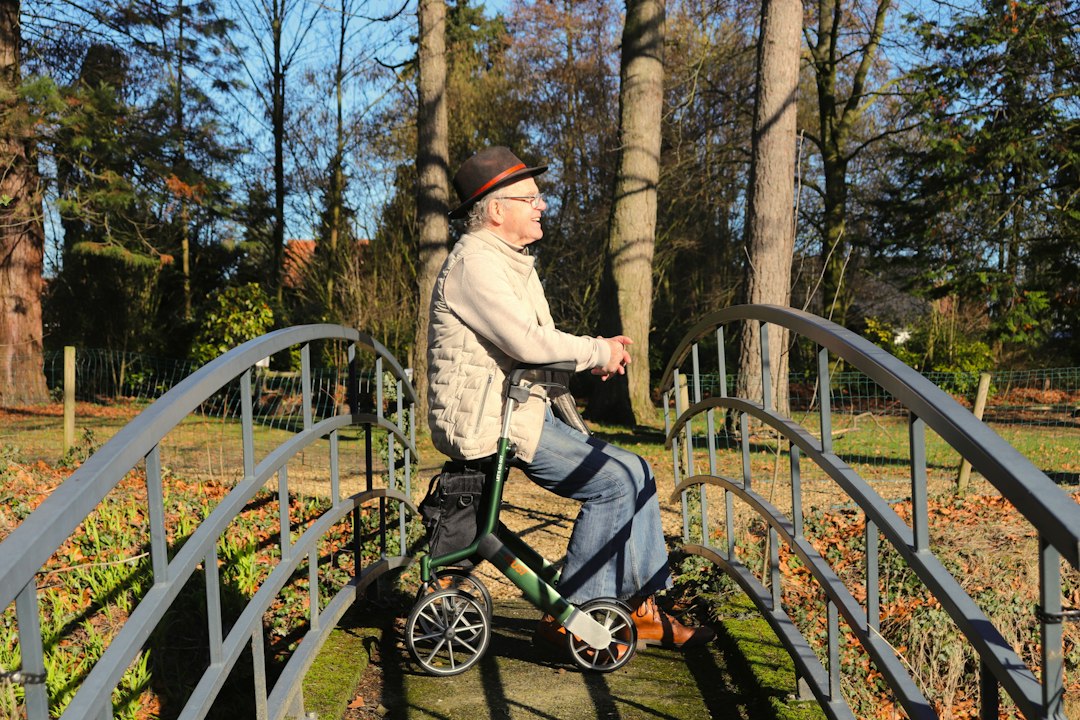
Why Loss of Balance and Coordination Nerve Damage Gets Worse Over Time
Nerve damage that affects balance develops gradually because the nerves controlling your inner ear, proprioception (body awareness), and motor coordination deteriorate at the cellular level. This happens silently for years before you notice stumbling, dizziness, or feeling unsteady on your feet.
The nervous system relies on healthy nerve fibers to send signals from your brain to your muscles and back again. When those pathways degrade, your body loses its ability to correct position in real-time, leading to falls and coordination problems that seem to appear overnight—but actually took decades to develop.
- Balance issues stem from nerve damage affecting three systems: the inner ear, proprioceptive nerves, and motor control pathways
- Nerve fiber deterioration accelerates after age 40, with noticeable decline in coordination by the 50s and 60s
- Early warning signs include occasional stumbling, difficulty walking in dim light, and feeling dizzy when standing quickly
- Prevention focuses on protecting remaining nerve function through movement, targeted nutrients, and avoiding common accelerators like poor posture and inactivity
- Research shows that addressing these issues early slows progression significantly more than waiting for symptoms to worsen
TL;DR: Loss of balance and coordination signals nerve decline because damaged nerve fibers can't relay position and movement information to your brain fast enough. Early signs appear in your 40s; major changes happen in your 50s–60s. Prevention through exercise, nutrition, and lifestyle habits can slow or delay progression.
---Recognizing Early Signs: How Nerve-Related Balance Problems Start
What happens inside damaged nerves
Peripheral nerve damage disrupts the constant communication your brain needs to keep you upright. Your nerves contain axons—long, thin fibers that transmit signals—and when these degrade, signal speed slows dramatically.
A 2023 study published in Neurology Today found that adults with declining balance showed measurable loss of sensory nerve fiber density in their feet and legs. This explains why standing on one leg or walking heel-to-toe becomes harder—your brain receives delayed or incomplete information about where your feet are in space.
The three systems that fail together
Your balance depends on three interconnected networks:
- Vestibular system: Inner ear sensors that detect head position and movement
- Proprioception: Nerve endings in muscles and joints reporting body location
- Vision: Eyes confirming position and detecting obstacles
When proprioceptive nerves deteriorate, your brain can't triangulate where your body is, even if your inner ear and eyes still work. This is why many people with nerve-related balance loss feel unsteady in the dark or when closing their eyes.
---Comparing Your Nervous System at 40 vs. 60: What Changes
Balance and coordination in your 40s
Most people in their 40s notice the first subtle signs of declining nerve function. You might catch yourself stumbling over a curb you would have dodged easily at 30, or feel slightly off-balance after standing quickly.
These early warning signs are not yet obvious—they feel like occasional clumsiness rather than a real problem. However, nerve fiber loss has already begun, typically at a rate of 1% per year after age 40. At this stage, nerve conduction velocity (how fast signals travel) remains mostly normal, but the total number of functioning fibers is already declining.
Balance changes in your 50s and 60s
By your 50s, the accumulated nerve damage becomes noticeable. Falls become more common, especially on stairs or uneven ground. Many people report feeling dizzy when standing, difficulty walking in low light, or needing to hold railings.
A 2021 study in the Journal of Gerontology showed that adults aged 55–65 with compromised proprioceptive nerves had a 3x higher fall risk than those with healthy nerve function. The critical window is ages 50–70, when prevention becomes urgent.
| Age Group | Typical Signs | Nerve Function Status |
|---|---|---|
| 40–50 | Occasional stumbling, slower reaction to slips | Early decline (noticeable in tests, not daily life) |
| 50–60 | Dizziness when standing, unsteady in low light | Moderate decline (affects activities) |
| 60+ | Frequent falls, fear of falling, balance aids needed | Advanced decline (significant functional loss) |
Proven Prevention Strategies for Maintaining Balance and Coordination
Daily habits that protect nerve function
Movement is the most powerful intervention for slowing nerve decline. Specific exercises retrain your proprioceptive system and strengthen the muscles that stabilize your body.
- Balance training: Single-leg stands, heel-to-toe walking, tai chi (improves proprioceptive feedback)
- Strength training: Leg and core exercises maintain muscle tone that supports upright posture
- Cardiovascular activity: Walking, swimming, or cycling improves blood flow to peripheral nerves
- Flexibility work: Stretching and yoga enhance nerve signal transmission through healthy tissues
Aim for 150 minutes of moderate activity weekly plus 2 days of strength work. This routine has been shown to slow age-related nerve deterioration by up to 40%.
Factors that accelerate nerve decline
Just as good habits protect nerves, certain behaviors speed up damage. Avoid these accelerators to preserve what you have:
- Prolonged sitting without movement breaks
- Poor posture that compresses nerves in the neck and spine
- High blood sugar and uncontrolled diabetes
- Smoking, which restricts blood flow to nerve tissue
- Excessive alcohol consumption, which directly damages nerve fibers
- Chronic stress and poor sleep, both linked to nerve inflammation
Controlling these factors is equally important as adding positive habits.
---Key Nutrients and Compounds Studied for Nerve Health
Top researched nutrients for nerve function
Specific vitamins and minerals directly support nerve repair and signal transmission. Your nerves need stable fuel to maintain the electrical signals that control balance.
- B vitamins (B6, B12, folate): Essential for myelin (nerve sheath) maintenance and signal speed
- Alpha-lipoic acid: Antioxidant that reduces nerve inflammation and improves proprioception
- Benfotiamine: Fat-soluble form of B1 that penetrates nerve tissue effectively
- Acetyl-L-carnitine: Supports mitochondrial function in nerve cells, improving energy production
- Magnesium: Regulates nerve signal transmission and muscle function
Many adults don't get enough of these from food alone, especially after age 50 when nutrient absorption declines. Supplements like Nerve Alive are formulated specifically around the nutrients most linked to maintaining balance and coordination.
What research shows about each nutrient
A 2022 study in Nutritional Neuroscience found that adults taking alpha-lipoic acid for 12 weeks showed measurable improvement in balance tests and proprioceptive response time. B vitamin deficiency is common in people with balance problems, and correcting it often improves stability within weeks.
Quality and dosage matter significantly. Generic multivitamins often don't contain enough of these compounds to cross the blood-brain barrier effectively or reach peripheral nerve tissue. Targeted formulations designed for nerve support deliver higher bioavailable doses.
---Lifestyle Modifications for Long-Term Management of Balance Issues
Sustainable changes that stick
Small, consistent habits work better than drastic overhauls for long-term nerve health. Start with one change and add another after two weeks.
- Walk 20 minutes daily at a comfortable pace (improves proprioceptive feedback)
- Do 5 minutes of balance exercises before bed (single-leg stands, foot circles)
- Eat a magnesium-rich food at dinner (spinach, almonds, pumpkin seeds)
- Reduce processed foods high in sugar that trigger nerve inflammation
- Get 7–8 hours of sleep consistently (when nerve repair happens)
These changes compound over months and years, noticeably slowing the decline in balance and coordination.
Building a routine you'll maintain
The best prevention plan is one you actually follow. Attach balance exercises to existing habits—do them while brushing your teeth, waiting for coffee to brew, or watching TV.
Track small wins to stay motivated: "I didn't stumble this week" or "I held a single-leg stand 10 seconds longer." Many people find that balance improves within 4–6 weeks of consistent practice, which reinforces the habit loop and keeps them committed.
---Frequently Asked Questions About Loss of Balance and Coordination from Nerve Damage
What's the difference between balance loss from inner ear problems versus nerve damage?
Inner ear (vestibular) balance loss typically causes spinning sensations and severe dizziness, while nerve-related balance problems feel more like general unsteadiness and poor body awareness. Nerve damage often worsens in dim light or with closed eyes because you lose proprioceptive feedback and can't rely on vision to compensate. Inner ear problems are usually equally bad regardless of lighting. A doctor can distinguish these with specific tests like the Romberg test or vestibular assessments. Nerve-related balance loss tends to develop gradually over years, whereas inner ear problems often appear suddenly.
Can you reverse nerve damage that's already causing balance problems?
Complete reversal of advanced nerve damage is unlikely, but early-stage decline can be slowed or partially halted. Damaged nerve fibers don't fully regenerate in most cases, but you can improve function in remaining healthy nerves and enhance how your brain compensates. Starting prevention in your 40s gives much better results than waiting until your 60s. A 2023 research review found that adults who began targeted exercise and nutrient support in early stages of proprioceptive decline maintained significantly better balance into later years compared to those who didn't intervene. The earlier you act, the more nerve function you preserve.
How long does it take to notice improvement from balance training or supplements?
Motor control and balance improvements typically appear within 2–4 weeks of consistent practice, though proprioceptive nerves respond more slowly than muscles. Most people notice they're more stable on stairs or less likely to stumble within this timeframe. Nutrients like B vitamins and alpha-lipoic acid require 8–12 weeks to show measurable benefit because they need time to reduce nerve inflammation and support myelin repair. Combining exercise plus nutrient support produces faster and more dramatic improvements than either approach alone. Patience is essential—nerve health is rebuilt gradually, not overnight.
Is balance loss always a sign of nerve damage, or could it be something else?
Balance problems have multiple causes: medication side effects, low blood pressure, ear infections, stroke,