Understanding Nerve Regeneration and Why It Matters
Nerve damage can happen gradually or suddenly, and it affects millions of adults over 40 in ways both visible and invisible. Whether from diabetes, injury, repetitive strain, or age-related decline, damaged nerves can lead to pain, numbness, weakness, and reduced quality of life. The good news is that your nervous system has remarkable capacity to heal—and science has identified concrete, evidence-based methods to support this process.
Unlike the popular belief that nerve damage is permanent, research increasingly shows that how to improve nerve regeneration naturally involves supporting your body's own repair mechanisms. Nerve cells, called neurons, can regrow their connections and rebuild damaged fibers through a process called neuroplasticity and axonal regeneration. This article explores the science-backed strategies you can implement today to help your nerves heal.
The Biology Behind Nerve Regeneration
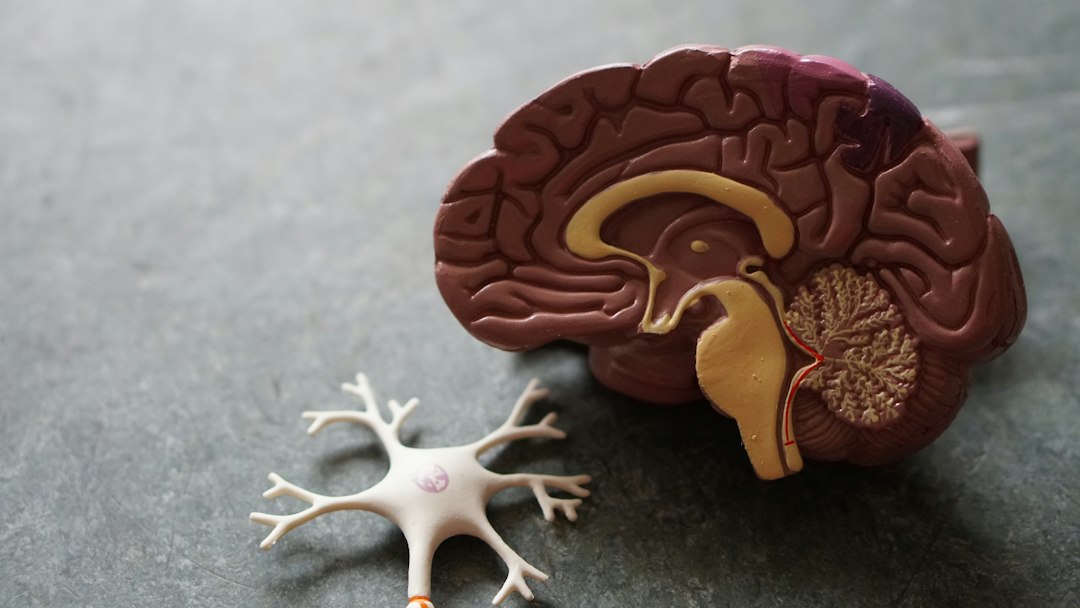
Before diving into solutions, it helps to understand what happens at the cellular level. When a nerve is damaged, the axon—the long projection of a nerve cell—breaks or degenerates. Your body responds by initiating a repair sequence: inflammatory cells clear debris, growth factors are released, and new axons begin sprouting to reconnect with their targets.
A 2020 review published in Frontiers in Neuroscience found that this regeneration process depends heavily on nutrient availability, growth factor signaling, and reducing oxidative stress. The speed and completeness of recovery depend on factors including your age, overall health, the severity of damage, and—critically—whether you're actively supporting the regeneration process.
The peripheral nervous system (nerves outside the brain and spinal cord) has better regenerative capacity than the central nervous system, which is why peripheral neuropathy and nerve injuries are more reversible with proper intervention. Understanding this gives us a roadmap: to optimize nerve healing, we need to address inflammation, supply key nutrients, support nerve growth factors, and protect cells from oxidative damage.
Nutrition: Feeding Your Nerves the Right Building Blocks
Your nervous system is metabolically demanding. Nerve cells require specific vitamins and minerals not just to function, but to actively repair and regenerate. Deficiencies in these nutrients directly impair your body's ability to improve nerve regeneration naturally.
B Vitamins: The Nerve Repair Essential
B vitamins sit at the center of nerve health. Vitamin B12 is critical for myelin formation—the protective coating around nerve fibers. A 2019 study in Nutrients found that B12 deficiency directly impairs nerve regeneration and increases the risk of neuropathy. B6 (pyridoxine) and folate (B9) support neurotransmitter synthesis and reduce homocysteine, an amino acid linked to nerve damage when elevated.
For adults over 40, B12 absorption from food becomes less efficient, making supplementation or dietary emphasis particularly important. Vitamin B1 (thiamine) deficiency is associated with nerve pain and poor wound healing in nerve cells. Research suggests that maintaining optimal B-complex status can accelerate regeneration by weeks.
Alpha-Lipoic Acid (ALA)
This powerful antioxidant deserves special mention. A double-blind randomized trial published in Diabetes Care showed that patients taking 600mg of ALA daily for three weeks experienced significant improvements in nerve conduction velocity and reduced neuropathic pain. ALA crosses the blood-brain barrier and reduces oxidative stress directly at damaged nerve sites.
Minerals: Magnesium and Zinc
Magnesium regulates nerve signal transmission and reduces neuroinflammation. Zinc is essential for growth factor production and immune regulation during the healing phase. Many adults over 40 are deficient in both, which can silently impair regeneration. Studies suggest maintaining magnesium levels above 2.0 mEq/L correlates with better nerve recovery outcomes.
Anti-Inflammatory Strategies That Support Nerve Healing
Inflammation is the body's initial protective response to nerve injury, but chronic inflammation becomes destructive. Controlling neuroinflammation is one of the most important factors in how to improve nerve regeneration naturally.
Omega-3 Fatty Acids
Omega-3 polyunsaturated fats reduce pro-inflammatory cytokines and support nerve cell membrane integrity. A 2021 meta-analysis in the Journal of the American College of Nutrition found that omega-3 supplementation correlated with measurably better nerve conduction in patients with peripheral neuropathy. The anti-inflammatory effects take 6-8 weeks to fully manifest, so consistency matters.
Curcumin and Polyphenols
Curcumin, the active compound in turmeric, has been extensively researched for neuroprotection. Studies show it inhibits NF-kB, a master switch that triggers nerve-damaging inflammation. A 2018 study in Phytotherapy Research found that curcumin improved symptoms in patients with diabetic neuropathy within eight weeks. Other polyphenols from berries, green tea, and resveratrol from grapes offer similar mechanisms.
Managing Blood Sugar and Insulin
High blood glucose accelerates nerve damage through multiple pathways: it increases oxidative stress, promotes glycation (sugar binding to proteins), and impairs blood flow to nerves. For anyone over 40—particularly those with prediabetes or metabolic syndrome—stabilizing blood sugar is foundational. A low-glycemic diet with adequate fiber, protein, and healthy fats reduces the inflammatory burden on regenerating nerves.
Physical Activity and Nerve Regeneration
Movement is medicine for nerve regeneration. Physical activity triggers the release of nerve growth factor (NGF) and brain-derived neurotrophic factor (BDNF)—proteins that directly stimulate axon regrowth and neuroplasticity.
Aerobic Exercise
A 2019 randomized controlled trial in Medicine & Science in Sports & Exercise found that adults with diabetic neuropathy who performed 150 minutes of moderate aerobic exercise weekly showed significant improvements in nerve conduction velocity and reduced pain compared to controls. The mechanism involves improved blood flow to nerves, reduced inflammation, and increased NGF production.
Resistance and Balance Training
Strength training is equally important. Resistance exercise stimulates neuromuscular reinnervation—the process by which nerve fibers reconnect with muscles. For adults with nerve damage affecting balance or coordination, progressive resistance training combined with balance work (like tai chi or controlled standing exercises) helps "teach" the nervous system new patterns while supporting regeneration.
Consistency Over Intensity
The key is regularity. Three to five sessions per week of moderate activity creates sustained elevation in growth factors. High-intensity work can initially aggravate neuropathic pain, so for many people over 40 with nerve damage, consistent moderate activity outperforms sporadic intense efforts.
Sleep, Stress, and the Nervous System's Recovery Window
Nerve regeneration happens mostly during rest. During sleep, your body increases production of growth factors and reduces cortisol, which suppresses inflammation and supports healing. A 2020 review in Sleep Medicine Reviews noted that poor sleep quality directly impairs peripheral nerve regeneration and increases chronic pain perception.
Optimizing Sleep for Nerve Healing
Adults over 40 often experience declining sleep quality. For optimal nerve regeneration, aim for 7-9 hours of consistent sleep with a regular schedule. Poor sleep hygiene—inconsistent bedtimes, blue light before bed, bedroom temperature too high—actively undermines regeneration. Some research suggests that sleep deprivation reduces NGF levels by 30-40%, directly slowing healing.
Stress Management and Nervous System Regulation
Chronic stress elevates cortisol, which dampens immune function and regenerative capacity. Meditation, breathwork, and gentle yoga activate the parasympathetic nervous system—your body's "rest and repair" mode. A 2018 study in Frontiers in Psychology found that mindfulness-based stress reduction improved neuropathic pain and nerve function markers in patients with diabetic neuropathy.
Key Micronutrients for Active Nerve Repair
Beyond B vitamins, several other nutrients specifically support nerve regeneration naturally at the cellular level. Some adults find targeted formulas like Nerve Alive helpful for exactly this reason — it combines several of these key nutrients in one daily supplement.
Acetyl-L-Carnitine (ALC)
This amino acid derivative fuels nerve cells and increases acetylcholine production, critical for nerve signal transmission. Multiple clinical trials show ALC improves neuropathic pain and nerve conduction velocity, with effects appearing after 4-6 weeks of consistent use.
N-Acetylcysteine (NAC)
NAC replenishes glutathione, your cells' master antioxidant. By reducing oxidative stress at damaged nerve sites, NAC supports the environment needed for axon regrowth. A 2017 study found NAC particularly effective in preventing progression of neuropathy when combined with other nutrients.
Methylcobalamin vs. Cyanocobalamin
Not all B12 is created equal. Methylcobalamin, the active form of B12, crosses cell membranes more efficiently and directly participates in nerve cell repair. For optimal results with B12 supplementation, methylcobalamin outperforms cyanocobalamin in most clinical settings.
Tracking Progress and Setting Realistic Expectations
Nerve regeneration is measured in weeks and months, not days. Axons grow at roughly 1-3mm per day under optimal conditions. For significant improvements, expect a 6-12 week timeline with consistent implementation of these strategies.
Objective markers of improvement include reduced numbness and tingling, improved nerve conduction velocity (measured by EMG/NCV testing), better balance and coordination, and decreased pain. Keep a simple log: record pain levels, numbness patterns, energy, sleep quality, and any improvements in sensation or strength. This tangible tracking often reveals progress before you notice it consciously.
Next Steps: Taking Action on Nerve Health
The science is clear: your nervous system can heal with proper support. The most effective approach combines multiple strategies: optimizing nutrient status, reducing inflammation through diet and supplements, moving consistently, managing stress, and prioritizing sleep. For most adults over 40, visible improvements appear within 8-12 weeks of consistent implementation.
If nerve damage is affecting your quality of life and you'd like to explore targeted nutritional support alongside these lifestyle changes, Nerve Alive is formulated around several of the nutrients discussed in this article. Consider reviewing it to see whether its specific ingredient profile aligns with your individual needs and current nutritional status.