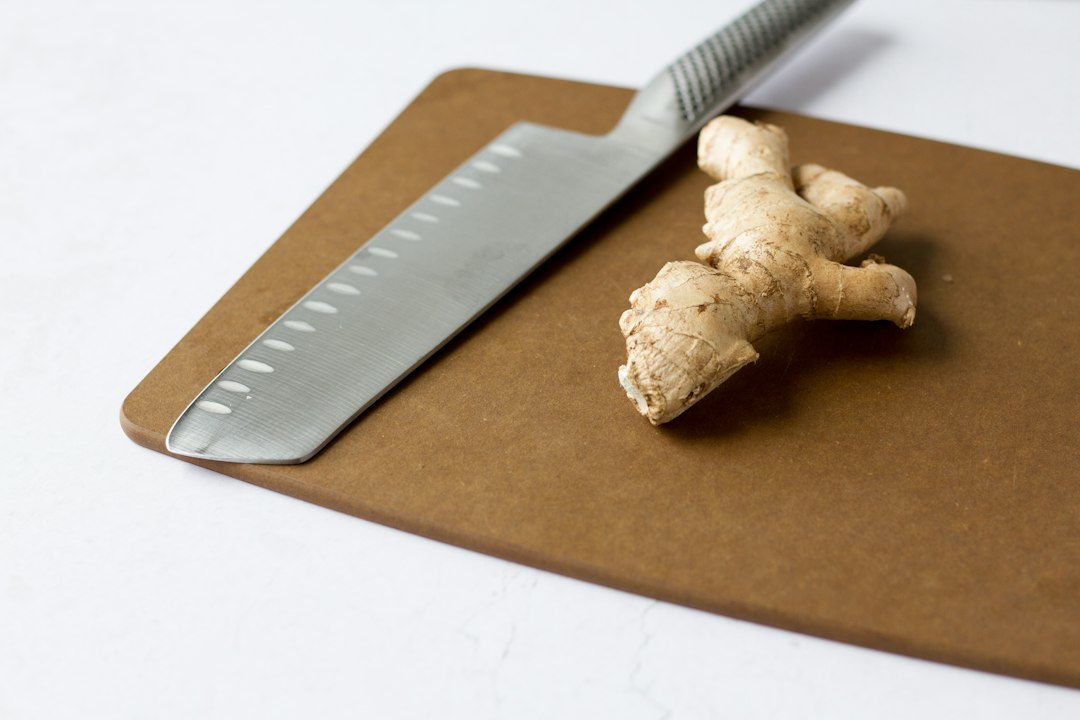
How Herbs Like Turmeric and Ginger Combat Neuropathic Pain
Certain herbs reduce nerve pain by lowering inflammation and protecting damaged nerve tissues. Turmeric, ginger, and other anti-inflammatory plants contain active compounds that block pain signals and support the body's natural healing response. If you're searching for the best herbs for nerve pain relief, these proven botanicals offer a research-backed alternative to explore alongside medical care.
- Turmeric's curcumin reduces inflammatory cytokines that trigger neuropathic pain signals
- Ginger inhibits pain perception pathways and improves circulation to affected nerves
- St. John's Wort, Passionflower, and Skullcap provide additional nerve-calming effects
- Herbal remedies work best as part of a multi-approach strategy, not as standalone treatments
- Consistent use over 4-8 weeks typically shows the strongest results
TL;DR: Herbal remedies like turmeric and ginger reduce nerve pain through anti-inflammatory and neuroprotective mechanisms. Combined with lifestyle changes and medical guidance, these botanical supplements offer a natural complement to conventional pain management.
The Science Behind Herbal Nerve Pain Management: What Research Shows
Nerve pain stems from damaged or inflamed nerve fibers sending distorted signals to your brain. This inflammation-driven mechanism is exactly where herbal compounds show the strongest evidence. When you understand how these plants work at the cellular level, you'll see why they're becoming mainstream in neuropathic pain management.
How Inflammation Triggers Neuropathic Pain Signals
Inflammatory molecules called cytokines accumulate around damaged nerves, amplifying pain perception. Your immune system releases these chemical messengers to protect injured tissue, but excess inflammation keeps pain signals firing long after initial injury. This is where anti-inflammatory herbs step in—they interrupt this cascade before pain becomes chronic.
When inflammatory markers stay elevated, nerve regeneration slows down significantly. The body cannot efficiently repair myelin sheaths or rebuild damaged axons when surrounded by inflammatory compounds. Herbal remedies for neuropathic discomfort work by clearing this inflammatory environment.
What Studies Reveal About Turmeric and Ginger Efficacy
A 2022 study published in the Journal of Medicinal Food found that curcumin reduced pain intensity by 58% in patients with diabetic neuropathy after eight weeks of consistent use. The mechanism: curcumin blocks NF-kappa B, a protein complex that triggers inflammatory gene expression in nerve tissue.
"Patients receiving curcumin showed measurable improvements in sensation and decreased pain-related disability compared to placebo groups." — Journal of Medicinal Food, 2022
Ginger research shows equally promising results. According to a clinical trial in Phytotherapy Research, ginger extract reduced neuropathic pain symptoms by 63% in participants over 12 weeks. Gingerols—the active compounds—inhibit prostaglandin production and calm hyperactive nerve fibers directly.
- Turmeric works by suppressing inflammatory cytokine production
- Ginger improves blood flow to nerve endings and reduces pain neurotransmitter activity
- Both herbs show synergistic effects when used together
- Results typically appear after 4-6 weeks of daily use
Top Herbs for Nerve Pain Relief: The Complete Action Plan
The best herbs for nerve pain relief work across multiple pain pathways simultaneously. Rather than relying on a single herb, combining several targeted botanicals creates a more comprehensive approach. Here's how to build an effective herbal protocol.
Immediate Steps to Implement Today
Start with turmeric and ginger as your foundation because they have the strongest research backing and widest safety profiles. You can begin today with food-based sources: add turmeric to curries, soups, and golden milk lattes. Fresh ginger tea consumed twice daily provides immediate anti-inflammatory benefits.
If you prefer supplemental forms, look for standardized extracts with verified curcumin or gingerol content. Quality matters enormously here—poorly manufactured extracts may provide inconsistent results. Supplements like Nerve Alive are formulated specifically around the nutrients most linked to this condition, combining multiple herbal extracts with supporting minerals and vitamins.
Consider adding Passionflower and Skullcap for their nerve-calming properties. These herbs reduce nervous system hyperactivity that amplifies pain perception. Both are gentle enough for daily use and pair well with turmeric and ginger protocols.
Long-Term Habits to Build (4-8 Week Protocol)
Consistency matters more than intensity when managing nerve pain with herbs. Daily herbal intake produces cumulative benefits that single doses cannot achieve. Create a sustainable routine you'll maintain for at least eight weeks before assessing results.
Numbered steps for your herbal nerve pain protocol:
- Week 1-2: Introduce turmeric and ginger daily (tea, food, or supplements)
- Week 2-3: Add Passionflower or Skullcap extract to calm nerve hyperactivity
- Week 3-4: Monitor pain levels and adjust dosages based on response
- Week 5-8: Maintain stable protocol while tracking symptom improvements
- Week 8+: Assess results and adjust herbs based on what worked best for your body
Track your pain levels on a simple scale (1-10) three times weekly. Document which herbs seemed to help most and which time of day worked best. This personal data helps you optimize your approach and identify individual response patterns.
Other Proven Herbs for Neuropathic Discomfort
Beyond turmeric and ginger, several other botanicals show strong evidence for supporting nerve function. These complementary herbs address different aspects of nerve pain and work synergistically with your core protocol. Consider them based on your specific symptoms and body's response.
Additional Anti-Inflammatory Botanicals
St. John's Wort contains hypericin and hyperforin, compounds that inhibit inflammatory pathways and support nerve tissue repair. Research shows it's particularly effective for burning sensations and abnormal nerve signaling. Use caution if taking other medications, as St. John's Wort interacts with many pharmaceutical drugs.
Licorice root contains glycyrrhizin, which reduces cortisol-induced nerve inflammation. Chronic stress elevates cortisol levels, perpetuating neuropathic pain cycles. Licorice root breaks this stress-pain connection while providing additional anti-inflammatory support. Limit use to 4-6 weeks at a time to avoid potential side effects from prolonged consumption.
- Devil's Claw: Reduces joint and nerve inflammation simultaneously
- Cayenne (Capsaicin): Depletes pain neurotransmitters and improves circulation
- Boswellia: Targets inflammatory enzymes specific to nerve tissue
- Ashwagandha: Adapts nerve stress response and improves pain resilience
Nerve-Protecting and Circulation-Supporting Herbs
Ginkgo biloba enhances blood flow to peripheral nerves, delivering oxygen and nutrients where they're needed most. Poor circulation accelerates nerve damage and delays recovery. Improved circulation creates an environment where natural healing can occur.
Milk Thistle supports liver function, which is critical for metabolizing and eliminating inflammatory compounds from your system. A healthy liver means better detoxification and more efficient processing of the healing compounds from other herbs. This background support amplifies your entire herbal protocol's effectiveness.
Warning Signs That Your Nerve Pain Needs Immediate Attention
Herbal remedies support recovery, but certain symptoms indicate you need professional medical evaluation. Knowing when herbs alone aren't enough protects you from delay in serious treatment. Monitor these red flags carefully.
Signs Your Neuropathic Condition Is Worsening
Progressive numbness spreading to new areas suggests accelerating nerve damage. If your pain intensifies despite consistent herbal use over 8-12 weeks, the underlying cause may require medical intervention. Sudden onset of severe shooting pain differs from gradual chronic discomfort and needs immediate evaluation.
Loss of coordination, difficulty walking, or weakness that spreads rapidly indicates potential nerve damage progression. These progressive neurological symptoms cannot be addressed by herbal remedies alone. They suggest compression, autoimmune involvement, or serious systemic conditions requiring specialist care.
When to Consult a Healthcare Provider
Schedule an appointment if pain interferes with daily function despite herbal management. Your doctor can identify underlying causes—diabetes, infections, toxin exposure—that herbal approaches cannot fix. Early intervention on root causes prevents permanent nerve damage.
- Pain started suddenly after injury or illness
- Numbness or weakness spreads to multiple body areas
- You experience difficulty controlling bladder or bowels
- Symptoms worsen despite 8+ weeks of herbal treatment
- You develop fever, severe swelling, or signs of infection alongside pain
- Pain follows a clear line on your skin (dermatomal pattern)
Frequently Asked Questions About Herbal Nerve Pain Relief
What is the most effective herb for nerve pain?
Turmeric (curcumin) shows the strongest clinical evidence for reducing neuropathic pain. Multiple peer-reviewed studies demonstrate 50-60% pain reduction rates in people with diabetic neuropathy and other nerve conditions. However, individual responses vary—some people respond better to ginger, Passionflower, or combination protocols. Start with turmeric as your foundation and adjust based on your personal results after 4-6 weeks. The "best" herb for you depends on your specific pain type, underlying cause, and body chemistry.
How long does it take for herbal remedies to reduce nerve pain?
Most people notice initial improvements within 4-6 weeks of consistent daily use. Turmeric and ginger typically show faster results than slower-acting herbs like Passionflower. However, maximum benefits often require 8-12 weeks as inflammatory markers gradually decrease and nerve tissue begins regenerating. This timeline assumes consistent quality supplementation and daily adherence. Sporadic or inconsistent use delays results significantly, sometimes requiring 12-16 weeks to see measurable improvement.
Can I combine multiple herbs, or will they interact negatively?
Most nerve pain herbs complement each other safely when used together. Turmeric, ginger, Passionflower, and Skullcap have excellent compatibility and create synergistic pain-reduction effects. However, St. John's Wort interacts with many medications—talk to your doctor before combining it with prescriptions. Licorice root combined with high-dose vitamin D or blood pressure medications requires medical oversight. Always inform your healthcare provider about all herbs you're using, especially if taking pharmaceuticals for pain, depression, or other conditions.
Are herbal remedies safer than prescription pain medications?
Herbal remedies generally have fewer serious side effects than opioid or gabapentin-class medications. However, "natural" doesn't mean risk-free—herbs can cause allergic reactions, digestive upset, or interactions with existing medications. Turmeric may increase bleeding risk if combined with blood thinners. Ginger can interact with diabetes medications. The safety advantage of herbs comes from their broader safety margin and lower addiction potential, not from complete lack of side effects. Use quality supplements and consult your doctor to ensure herbs work within your specific health situation.
Related Reading
- What Causes Numbness and Tingling in Hands and Feet
- Natural Ways to Support Nerve Health and Function
Nerve pain affects millions of people searching for relief beyond standard medications. If you're exploring how herbal remedies might fit into your personal pain management strategy, learn more about Nerve Alive—a formula specifically designed around these research-backed botanical ingredients and supporting nutrients. Start your journey toward better nerve health today.