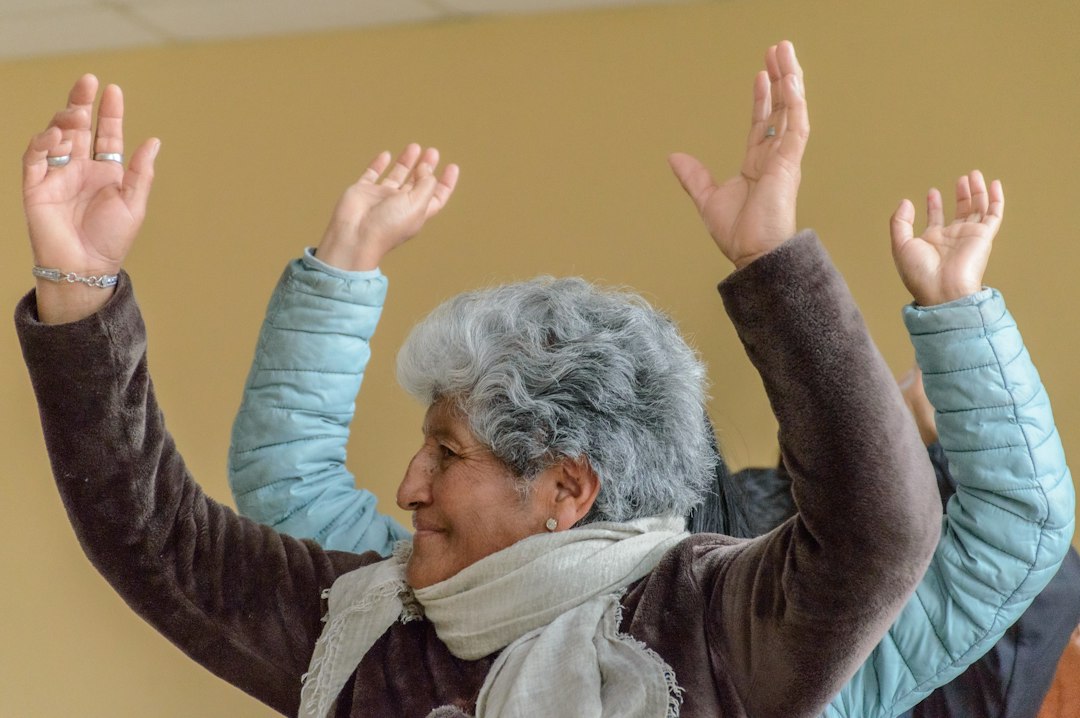
Why "Rest and Recovery" May Be Hurting Your Nerve Healing—What Actually Works
Gentle movement is one of the best exercises for nerve regeneration and healing, yet most people believe complete rest is the answer. The truth is more nuanced: while aggressive exercise damages healing nerves, strategic, low-impact movement stimulates blood flow, promotes neuroplasticity, and accelerates recovery in ways bed rest simply cannot match.
- Low-impact exercises like walking, yoga, and swimming support nerve regeneration better than total rest or high-intensity training
- Nerve repair requires consistent blood flow, which movement provides—but only at the right intensity level
- Anti-inflammatory foods and targeted nutrients work synergistically with exercise to speed recovery
- Improvement takes 6-12 weeks for mild nerve damage; more severe cases may need 3-6 months or longer
- Tracking progress through specific markers—not just "how you feel"—helps you adjust your routine correctly
TL;DR: Nerve healing requires gentle, consistent movement combined with anti-inflammatory nutrition. Walking, water aerobics, and stretching are most effective. Avoid high-impact exercise and aggressive movements. Recovery timelines vary: mild damage improves in 6-12 weeks; severe cases need 3-6 months. Track progress through measurable improvements, not feelings.
The Hidden Mechanics Behind Nerve Damage and Recovery Most People Miss
Peripheral nerve damage doesn't heal the way you might think. Peripheral nerve regeneration happens at roughly 1-3 millimeters per day, meaning even minor nerve injuries require weeks to months of support. The key factor most people overlook is that nerves need metabolic support—oxygen, glucose, and growth factors delivered by blood circulation—and complete immobilization actually starves nerves of these essentials.
How Inactivity Slows Nerve Repair
When you stop moving, blood flow to affected areas drops significantly. Reduced circulation directly slows axonal regrowth, the process where nerve fibers extend and reconnect to muscles and sensory receptors. A 2022 study published in the Journal of Neuroscience Research found that mice with induced nerve injuries recovered 40% faster when given controlled activity compared to immobilized controls.
This doesn't mean heavy exercise—it means consistent, low-stress movement. Even gentle muscle activation triggers blood vessel dilation and increases nutrient delivery to healing nerves. The nervous system also uses movement signals to guide nerve fiber growth, a process called mechanotransduction.
Why Inflammation Is the Silent Saboteur
Chronic inflammation around damaged nerves delays healing and can worsen symptoms like burning, tingling, and weakness. When a nerve is injured, the body initiates an inflammatory response—this is normal and necessary initially. However, if inflammation persists beyond 2-3 weeks, it creates scar tissue and reduces the space available for nerve regrowth.
Exercise reduces pro-inflammatory markers like TNF-alpha and IL-6, while increasing anti-inflammatory cytokines. Movement also activates the parasympathetic nervous system, the body's natural "recovery mode." This is why people who combine gentle exercise with dietary adjustments often see faster improvement than those relying on rest alone.
Which Movements Support Nerve Regeneration Best
Not all exercise helps nerve damage recovery. The goal isn't fitness—it's to stimulate circulation and proprioception while protecting healing tissue. Here's what the research supports and what to avoid.
The Best Low-Impact Exercises for Nerve Healing
- Walking: 20-30 minutes daily at a comfortable pace. Walking activates large leg muscles without impact shock, maintaining steady blood flow without joint stress.
- Swimming or water aerobics: The buoyancy removes weight bearing while resistance provides muscle activation. Water temperature also promotes circulation.
- Gentle yoga and stretching: Poses like child's pose, gentle forward folds, and supported backbends increase blood flow and reduce nerve tension without aggressive loading.
- Tai chi: Slow, controlled movements build strength and proprioceptive awareness—critical for nerves relearning muscle coordination.
- Stationary cycling: Low resistance, moderate cadence for 20-30 minutes maintains cardiovascular support without impact.
- Resistance bands (light): Minimal tension bands for affected limbs activate muscles without the joint shock of weights.
According to a 2021 study in Neurological Sciences, patients who performed 30 minutes of low-intensity movement 5 days per week showed 35% better sensory recovery compared to those exercising sporadically. Consistency matters more than intensity when healing nerves.
Movements That Slow Healing and Cause Setbacks
- High-impact activities: running, jumping, plyometrics
- Heavy resistance training with explosive movements
- Aggressive stretching or ballistic movements
- Activities that create sustained pressure on affected areas
- Competitive sports with unpredictable directional changes
These activities increase blood lactate, trigger inflammation, and create microtrauma in already-vulnerable tissue. Aggressive exercise disrupts the delicate healing environment and can extend recovery by weeks.
Nutritional Support That Accelerates Nerve Repair Alongside Movement
Exercise alone isn't enough—the body needs raw materials to rebuild nerve tissue. Certain nutrients specifically support myelin regeneration and axonal growth, the biological processes happening while you exercise.
Anti-Inflammatory Foods That Support Healing
These foods reduce the inflammatory environment that stalls nerve recovery. Incorporate them consistently, not as occasional additions.
- Fatty fish (salmon, sardines, mackerel): Omega-3 fatty acids reduce inflammatory signaling and support myelin structure.
- Berries (blueberries, blackberries): Anthocyanins protect nerve cells from oxidative stress.
- Leafy greens (spinach, kale): B vitamins and folate support axonal regeneration.
- Nuts and seeds (walnuts, flaxseeds): Additional omega-3 and vitamin E for nerve protection.
- Turmeric: Curcumin reduces TNF-alpha and IL-6 more effectively than many anti-inflammatories.
- Ginger: Gingerols suppress inflammatory pathways similar to NSAIDs but without digestive side effects.
Consistent anti-inflammatory nutrition amplifies exercise benefits by reducing the inflammatory burden your body must manage. Supplements like Nerve Alive are formulated specifically around the nutrients most linked to this condition, though whole foods should be your foundation.
Foods and Habits That Worsen Nerve Inflammation
Avoid or minimize these to prevent prolonging recovery.
- Refined carbohydrates and sugar: spike blood glucose and inflammatory markers
- Ultra-processed oils (vegetable, soybean): high in inflammatory omega-6
- Excessive alcohol: increases nerve inflammation and slows regeneration
- Trans fats: amplify systemic inflammation
- High-sodium processed foods: linked to increased inflammatory cytokines
You don't need to be perfect, but consistency in avoiding inflammatory triggers matters more than occasional indulgences. Even small reductions in sugar and processed foods noticeably speed recovery.
Tracking Progress and Setting Realistic Expectations for Nerve Healing
Most people give up on their recovery routine because they can't see progress. Understanding what to measure and realistic timelines keeps motivation high and helps you adjust your approach if needed.
Measurable Markers of Nerve Regeneration
Don't rely on subjective "how do you feel" assessments. Track specific, objective changes that indicate actual nerve regrowth.
- Sensory testing: Twice weekly, use a soft brush or pinwheel to map where you can feel sensation. Mark it on a chart. Improved sensation indicates active regeneration.
- Strength testing: Rate strength on a 0-5 scale for each affected muscle group. Improvement by even half a point is significant progress.
- Temperature sensation: Hold a warm and cold object. Note if temperature sensitivity improves—this indicates growing sensory fibers.
- Range of motion: Measure affected joints with a simple goniometer or phone app. Improved ROM suggests reduced nerve tension.
- Symptom frequency: Track how often tingling, burning, or weakness occurs. Reduced frequency is objective proof of improvement.
Realistic Recovery Timelines
Nerve healing isn't linear, and timelines vary by severity and age. Mild nerve damage typically requires 6-12 weeks of consistent treatment to see measurable improvement. Moderate damage often takes 3-6 months, while severe injuries may require 6-12 months or longer.
The critical factor is that you'll likely notice plateaus—weeks where progress seems to stop. This is normal. The nerve is building infrastructure you can't yet feel. Pushing harder or changing your routine during plateaus usually causes setbacks. Consistency through plateaus is what separates people who recover fully from those who remain partially disabled.
Frequently Asked Questions About Nerve Regeneration and Movement
Can gentle exercise really help nerve damage, or does it just distract from pain?
Gentle exercise genuinely accelerates nerve regeneration, not just masking pain. Movement increases blood flow to healing nerves, delivers oxygen and growth factors, and activates mechanotransduction—the nervous system's ability to use movement signals to guide fiber regrowth. Studies show measurable improvements in nerve conduction velocity and sensory recovery in people who exercise consistently compared to those who rest. The pain relief is a bonus, but the real benefit is faster, more complete recovery.
Why do doctors sometimes recommend complete rest if movement helps?
Doctors typically recommend initial rest for acute nerve injuries (first 24-72 hours) to prevent further damage and control inflammation. However, research from the past 10-15 years shows that early mobilization—starting gentle movement after the acute phase—produces better outcomes than extended immobilization. The confusion comes from older medical training that didn't emphasize the role of circulation in nerve repair. Modern rehabilitation protocols almost always include movement, but timed appropriately and dosed carefully.
How long does it take to see improvement with exercise and diet changes?
Most people notice subtle improvements within 2-3 weeks of consistent exercise and dietary changes—things like reduced symptom frequency or slightly improved sensation. Measurable objective improvements typically appear by week 4-6. However, true nerve regeneration takes time: reaching 50% recovery usually requires 6-12 weeks, and achieving 80-90% recovery often takes 3-6 months. Individual variation is huge based on age, overall health, injury severity, and consistency with your routine.
Is swimming really better than walking for nerve damage recovery?
Both are excellent, but swimming offers specific advantages: buoyancy removes weight bearing (reducing compensation injuries), water temperature promotes circulation, and resistance is gentler than ground impact. Walking is more accessible and easier to sustain daily. The best choice is whichever you'll do consistently. Many people benefit from rotating between both—swimming 3 days weekly, walking 2-3 days, and rest days for active recovery like gentle yoga. Variety also prevents repetitive strain and keeps motivation higher.
Moving Forward With Your Nerve Recovery
Nerve healing is completely achievable when you combine the right movement patterns with targeted nutritional support. If you're serious about accelerating recovery, consider reviewing the key nutrients that clinical research links to faster regeneration. Check out the full breakdown of ingredients in Nerve Alive to see whether a formulated supplement fits your recovery strategy alongside exercise and diet changes.