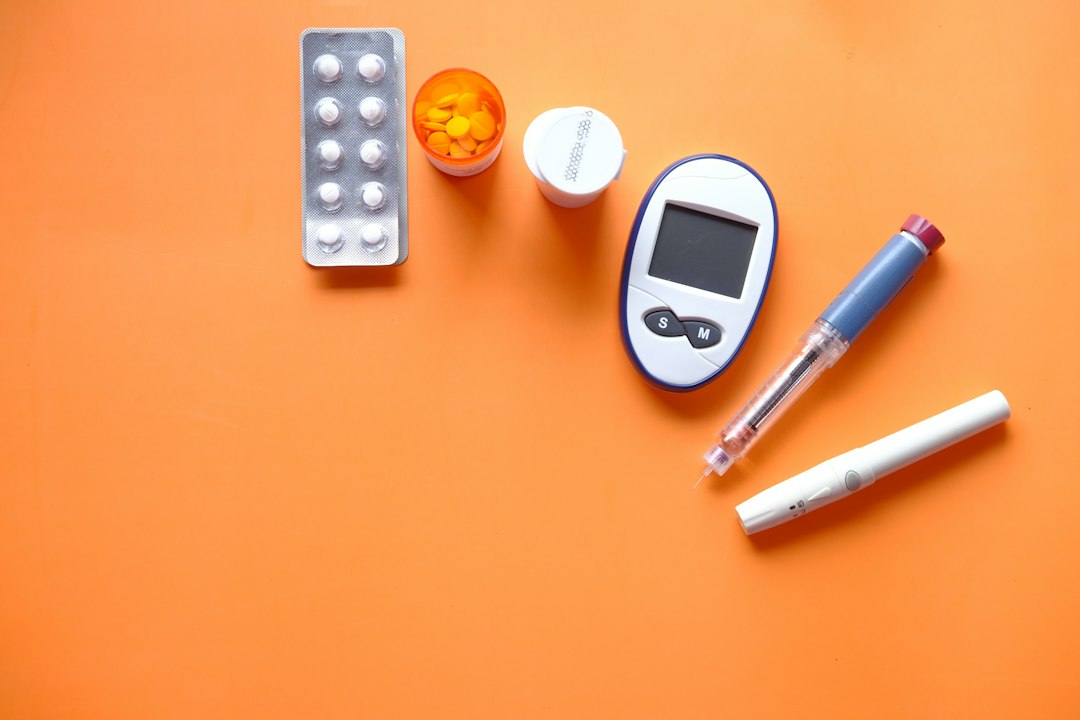
Understanding Diabetic Nerve Pain and High Blood Sugar
Diabetic nerve pain, or diabetic neuropathy, affects millions of adults over 40 in the United States alone. It's one of the most common complications of diabetes, yet many people don't fully understand how diabetic nerve pain high blood sugar are connected. The relationship between elevated glucose levels and nerve damage is both direct and complex, involving multiple biochemical pathways that accumulate damage over time. When blood sugar remains consistently high, the nerves throughout your body—from your feet and hands to your organs—gradually lose their ability to function properly.
The damage doesn't happen overnight. Instead, it's a slow, progressive process that often goes unnoticed until symptoms become severe enough to interfere with daily life. Understanding this connection is crucial because it empowers you to take action early, potentially preventing or slowing the progression of nerve damage. This article explores the science behind how high blood sugar damages nerves, what symptoms you should watch for, and practical steps to protect your nerve health.
How High Blood Sugar Damages Nerves at the Cellular Level
The Glucose Metabolism Problem
When you have diabetes or consistently elevated blood sugar levels, your cells are exposed to excess glucose. Unlike some cells that regulate glucose uptake with insulin, nerve cells—particularly those in your peripheral nervous system—take up glucose passively. This means they can't easily control how much glucose enters the cell when blood sugar is high. Once inside, this excess glucose triggers a cascade of harmful chemical reactions.
A 2019 study published in the Journal of Diabetes Research found that high glucose levels activate the polyol pathway, a metabolic route that converts excess glucose into sorbitol. When sorbitol accumulates in nerve cells, it draws water into the cell by osmosis, creating cellular swelling and oxidative stress. This process damages the delicate structures within nerve cells, including the mitochondria—the cell's energy powerhouses—making it increasingly difficult for nerves to maintain their protective coatings and transmit signals properly.
Advanced Glycation End Products (AGEs)
Another critical mechanism involves the formation of Advanced Glycation End Products, or AGEs. When glucose remains elevated in the bloodstream for extended periods, it bonds with proteins in a process called glycation. These AGE compounds are essentially damaged proteins that accumulate in nerve tissue and blood vessel walls. A 2020 review in Nutrients explained that AGEs trigger inflammatory responses and cross-link with collagen and other structural proteins, making nerves stiff and less flexible.
This protein damage is particularly problematic in the nervous system because nerves rely on structural integrity to conduct electrical signals efficiently. When AGEs accumulate, they essentially "gunk up" the nerves, reducing their elasticity and function. Research shows that people with poorly controlled diabetes have significantly higher AGE levels in their nerve tissue, directly correlating with greater nerve damage and symptom severity.
Oxidative Stress and Free Radical Damage
High blood sugar increases oxidative stress in nerve cells, meaning there's an imbalance between harmful free radicals and the body's ability to neutralize them. A 2021 study in Antioxidants demonstrated that chronic hyperglycemia (high blood sugar) triggers excessive production of reactive oxygen species (ROS) in nerve cells. These free radicals attack cell membranes, DNA, and mitochondrial structures, essentially causing cellular "rust" that accumulates over time.
When oxidative stress becomes chronic, nerve cells can no longer keep up with repairs. The protective myelin sheath that surrounds nerves becomes damaged, similar to insulation deteriorating on old electrical wiring. This allows electrical signals to leak or misfire, causing the tingling, numbness, and pain characteristic of diabetic neuropathy.
The Progressive Nature of Nerve Damage
Why Early Stages Often Go Unnoticed
One of the most dangerous aspects of diabetic nerve pain and high blood sugar damage is that it develops silently. In the earliest stages, nerve cells are being damaged at the microscopic level, but you may feel nothing at all. Some people don't realize they have neuropathy until they suffer a foot injury they didn't feel, or until numbness becomes pronounced enough to affect their balance or dexterity.
A 2018 longitudinal study in Diabetes Care followed people with diabetes over five years and found that about 50% developed some degree of neuropathy, yet half of those cases were asymptomatic in their early stages. By the time symptoms become noticeable, significant nerve damage has often already occurred. This is why monitoring your blood sugar consistently and getting regular nerve function tests (if diabetic) is so important.
The Threshold Effect
Research suggests that nerve damage follows a threshold pattern—there's a point at which mild, reversible damage crosses into permanent, irreversible territory. A study in The Lancet Diabetes & Endocrinology found that tight blood sugar control in early stages of diabetes could prevent or significantly delay neuropathy development. However, once significant damage occurs, the nerve cells have lost their ability to fully regenerate, making prevention and early intervention crucial.
This is why your A1C levels matter so much. A1C measures your average blood sugar over three months. Keeping it below 7% (or your target range as determined by your doctor) significantly reduces the risk of developing or worsening neuropathy. For every 1% reduction in A1C, there's approximately a 4% reduction in neuropathy risk, according to research from the Diabetes Control and Complications Trial.
Recognizing Symptoms of Diabetic Neuropathy
Peripheral Symptoms
The most common presentation of diabetic neuropathy affects the peripheral nerves—those in your feet, hands, and lower legs. Symptoms typically include numbness, tingling sensations, burning pain, or a "pins and needles" feeling. Some people describe it as walking on cotton or having their feet fall asleep permanently. These sensations usually start in the feet and progress upward if nerve damage continues.
As the condition worsens, the numbness can become so severe that you lose protective sensation—meaning you can't feel minor cuts, blisters, or pressure sores on your feet. This is dangerous because you won't notice these injuries until they become infected or severely damaged. Many people with advanced diabetic neuropathy end up with foot ulcers or infections that could have been prevented with early detection of sensation loss.
Autonomic Symptoms
Beyond peripheral symptoms, diabetic nerve pain high blood sugar damage can also affect autonomic nerves—those controlling automatic body functions like heart rate, digestion, and blood pressure regulation. People with autonomic neuropathy might experience dizziness when standing up, irregular heartbeat, digestive problems, difficulty regulating body temperature, or sexual dysfunction. These symptoms are often overlooked because people don't realize they're nerve-related.
A 2022 study in Frontiers in Endocrinology found that autonomic neuropathy is associated with higher mortality rates in diabetic patients, suggesting that this form of nerve damage deserves serious attention even though it's less visible than peripheral symptoms.
Blood Sugar Control: The Foundation of Nerve Protection
Why Consistency Matters More Than Single Events
It's not just about occasional blood sugar spikes—it's about consistent, prolonged elevation that causes nerve damage. Think of it like rust forming on metal. A single rainy day won't cause much rust, but years of exposure creates significant corrosion. Similarly, one high blood sugar reading is less harmful than chronically elevated levels over weeks, months, and years.
Research published in Diabetes Medicine showed that people with highly variable blood sugar levels—where readings fluctuate wildly rather than staying consistently higher—often experience faster nerve damage than those with stable, even if somewhat higher, average levels. This means that consistency and stability in blood sugar management is as important as absolute levels.
Lifestyle Modifications for Blood Sugar Management
Managing blood sugar to prevent nerve damage involves several interconnected lifestyle factors. Regular physical activity improves insulin sensitivity, allowing your cells to take up glucose more effectively. A 2020 study in Sports Medicine found that just 150 minutes of moderate-intensity aerobic activity per week, combined with resistance training, significantly improved blood sugar control and slowed neuropathy progression.
Diet plays an equally crucial role. Foods with a low glycemic index—whole grains, legumes, non-starchy vegetables, and lean proteins—raise blood sugar more gradually than refined carbohydrates and sugar. A study in the American Journal of Clinical Nutrition demonstrated that adults who switched to a lower glycemic index diet reduced their A1C levels by approximately 0.5%, which translates to meaningful nerve protection over time.
Sleep and stress management also influence blood sugar regulation. Poor sleep increases insulin resistance, making it harder for your body to manage glucose. Chronic stress elevates cortisol, which promotes blood sugar elevation. Managing these factors comprehensively creates the best environment for nerve protection.
Nutritional Approaches to Support Nerve Health
Essential Micronutrients for Nerve Function
Beyond blood sugar control, specific nutrients are vital for maintaining nerve cell integrity and function. B vitamins—particularly B1 (thiamine), B6 (pyridoxine), and B12 (cobalamin)—are essential for nerve energy production and myelin formation. A 2019 review in Nutrients found that people with diabetes often have deficient B vitamin levels, partly because excess glucose causes urinary loss of these water-soluble vitamins.
Alpha-lipoic acid, a naturally occurring compound, has demonstrated neuroprotective effects in multiple clinical trials. A meta-analysis in Complementary Therapies in Medicine found that alpha-lipoic acid supplementation reduced neuropathic pain and improved nerve conduction velocity, particularly in people with early-stage neuropathy. This antioxidant compound helps neutralize the free radicals that drive nerve damage.
Acetyl-L-carnitine, derived from an amino acid, supports nerve cell energy production. A randomized controlled trial in Diabetes Care showed that people taking acetyl-L-carnitine experienced improved pain symptoms and better nerve function tests compared to placebo. This nutrient is particularly important because nerve damage reduces cells' ability to produce energy, creating a vicious cycle that accelerates deterioration.
Building a Neuroprotective Nutrition Plan
Some adults find targeted formulas like Nerve Alive helpful for exactly this reason—it combines several of these key nutrients in one daily supplement, designed around the specific nutritional deficiencies most linked to nerve health in people managing blood sugar challenges.
However, it's important to note that supplementation works best alongside fundamental lifestyle changes. Nutrients support your body's repair mechanisms, but they can't overcome the damage caused by consistently high blood sugar. Think of them as tools that help your body help itself, rather than standalone treatments.
When to Seek Professional Help
Early Detection Testing
If you have diabetes or consistently elevated blood sugar, regular nerve function testing should be part of your healthcare routine. Simple tests like the monofilament test—where a healthcare provider touches your feet with a thin nylon fiber—can detect early sensation loss. More comprehensive tests like electromyography (EMG) or nerve conduction studies can identify microscopic nerve damage before symptoms become obvious.
The American Diabetes Association recommends annual screening for neuropathy in all people with diabetes. If you have symptoms of nerve damage or known risk factors, discuss more frequent testing with your healthcare provider.
Working With Your Healthcare Team
Managing diabetic neuropathy requires a comprehensive approach involving your primary care physician, an endocrinologist if possible, and potentially a neurologist. Your team can help you set appropriate blood sugar targets, adjust medications as needed, and develop a personalized plan for symptom management. Some people benefit from specific medications like gabapentin or pregabalin for pain management, while others may need interventions for autonomic symptoms.
FAQ: Common Questions About Diabetic Nerve Pain and Blood Sugar
Can nerve damage from high blood sugar be reversed?
Early-stage nerve damage can partially reverse with excellent blood sugar control, particularly within the first 1-2 years of managing the condition. However, once nerve cells die, they cannot be regenerated. This is why early intervention and prevention are so much more effective than trying to reverse advanced damage. Research shows that aggressive blood sugar management can halt progression and reduce symptoms, even if complete reversal isn't possible.
How quickly does high blood sugar damage nerves?
Nerve damage begins at the microscopic level almost immediately when blood sugar becomes elevated, but symptoms typically take months to years to appear. Most people don't notice symptoms until at least 5-10 years of chronic hyperglycemia, though damage is occurring throughout this period. This is why people are often shocked when they're diagnosed with neuropathy—they didn't realize damage was happening silently.
Is diabetic nerve pain always painful?
No, many people with diabetic neuropathy experience numbness rather than pain. Some experience both—areas of numbness alternating with areas of burning pain. Others have only mild tingling. The presentation varies based on which nerves are affected and the extent of damage. The key point is that any nerve symptoms in someone with high blood sugar should be taken seriously and evaluated.
Can you have diabetic neuropathy without diabetes?
While diabetes is the most common cause of neuropathy, other conditions causing chronic high blood sugar or metabolic dysfunction can also cause nerve damage. Prediabetes—where blood sugar is elevated but not yet in the diabetic range—can cause neuropathy. Additionally, other causes of nerve damage include infections, vitamin deficiencies, and certain medications, so evaluation by a healthcare provider is important.
Taking Action: Your Next Steps
Understanding how diabetic nerve pain high blood sugar damage occurs is the first step toward protecting your nerve health. The key takeaway is that this damage is largely preventable and sometimes partially reversible through excellent blood sugar control, lifestyle modifications, and targeted nutritional support.
If you're concerned about nerve health or have symptoms of neuropathy, start by scheduling a conversation with your healthcare provider about nerve function testing and blood sugar management strategies. Simultaneously, evaluate your current diet, exercise routine, sleep quality, and stress levels—these fundamental factors profoundly influence your body's ability to manage blood sugar and protect nerve tissue.
If this condition is affecting your quality of life, it may be worth looking into targeted nutritional support. Nerve Alive is formulated around several of the nutrients discussed in this article—read the full review to see the complete ingredient breakdown and decide if it fits your needs.